26 Former Players Apply for AITA Merit Positions, Including Rohan Bopanna and Anand Amritraj
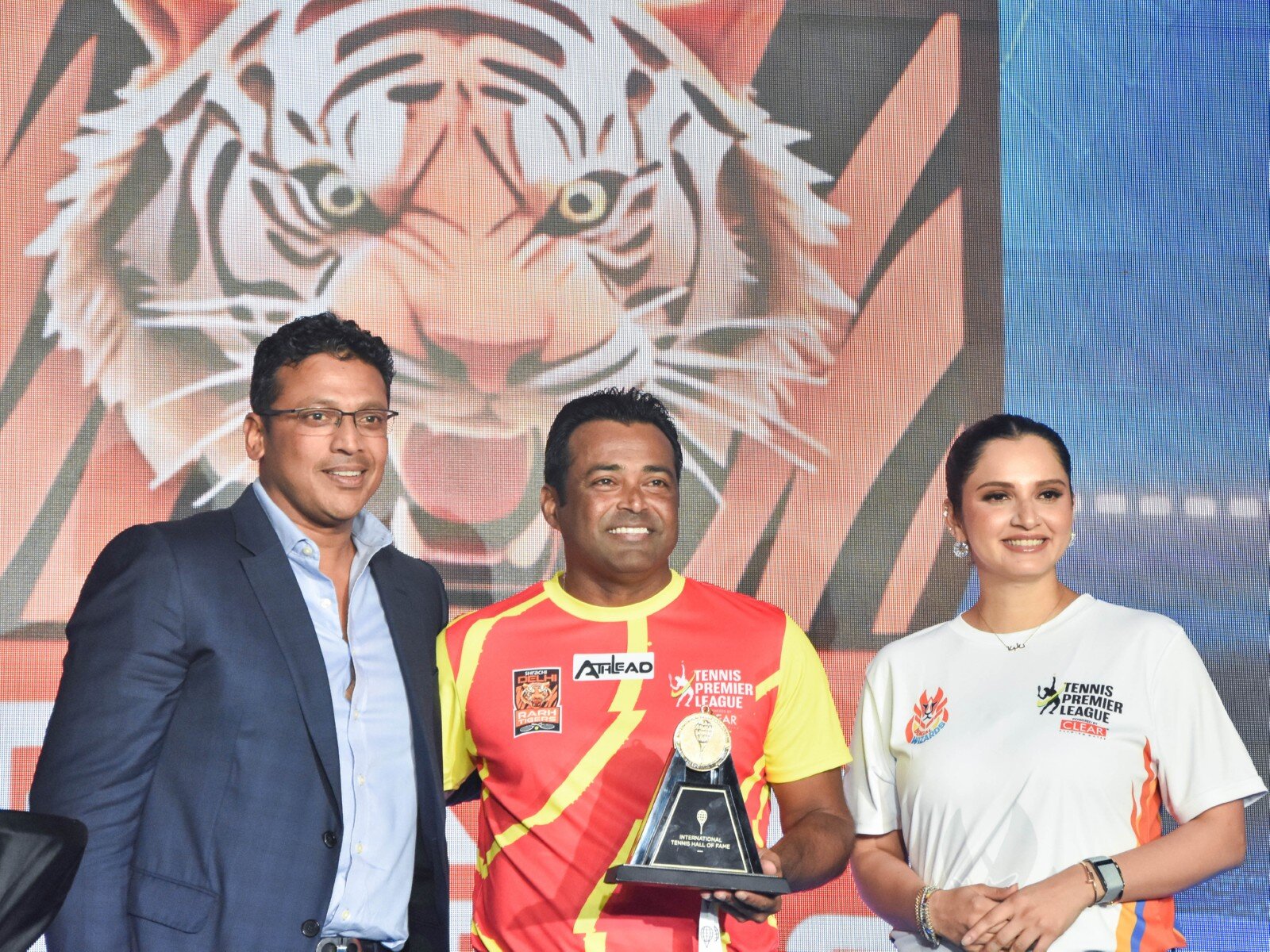
A total of 26 applications from former players were submitted for the Sportspersons of Outstanding Merit positions within the All India Tennis Association.
The massive turnout of candidates signaled an unprecedented desire among former international athletes to shape the governance of Indian tennis.
For decades, national federations across the country faced criticism for keeping administrative control in the hands of career officials.
Now, a sweeping reform movement is opening the doors of administration to former players who competed at the highest levels of the sport.
A surge of interest greeted the nomination window once the governing body formally accepted bids from retired athletes.
According to federation reports, "A total of 26 applications were received for the SOM roles, including notable figures like Rohan Bopanna and Anand Amritraj, highlighting the keen interest among former players to contribute."
The list of applicants brought together multiple generations of Indian tennis history under a single administrative umbrella.
STARS STEP FORWARD
The applicant pool reflected a striking mix of seasoned champions, Davis Cup captains, and recent tour veterans.
Leading the nominations were two-time Grand Slam champion Rohan Bopanna and former Indian Davis Cup captain Anand Amritraj.
Bopanna has long stood as one of the most prominent international ambassadors of Indian tennis.
Amritraj represents one of the most celebrated eras in the nation's tennis history, having guided national teams through fierce international campaigns.
Alongside them stood former international player and Davis Cup representative Gaurav Natekar.
The diverse group underscored how former players from different decades are now willing to dedicate their time to federation work.

In total, the applicant pool featured 18 male former players and eight female former players.
Every candidate met the criteria established for elite athletes looking to transition into administrative roles.
THE REFORM FRAMEWORK
This influx of athlete applications did not happen by accident.
The entire process is rooted in substantial legal and institutional reforms across Indian sports governance.
The push aligns directly with the mandates of the National Sports Governance Act.
It also complies strictly with the National Sports Bodies Rules, 2026.
Under these governance standards, national sports federations must guarantee meaningful representation for accomplished former competitors.
The All India Tennis Association was required to amend its constitution to establish dedicated positions for these athletes.
These designated representatives are classified officially as Sportspersons of Outstanding Merit, commonly known as SOM.
The goal is to inject firsthand sporting knowledge directly into federation decision-making.
By placing former players at the table, policymakers aim to make tennis governance far more athlete-centric.
THE MERIT ROSTER
To manage this transition smoothly, officials established a structured electoral framework.

A comprehensive 40-member SOM roster was assembled under the provisions of the National Sports Governance Act.
This roster maintains strict gender parity across the board.
It features exactly 20 male former players and 20 female former players.
Members of this curated roster carry the voting power to elect their administrative delegates.
Under the amended AITA constitution, four SOM representatives earn seats inside the federation's General Body.
The constitution requires an equal split among those four selections.
Two men and two women must be elected to represent the athlete bloc within the General Body.
This structure ensures that female players receive an equal voice in shaping federation policy.
THE GENERAL BODY VOTE
The intense competition for these four coveted positions culminated in a high-stakes election.
Ballots were cast by the members of the merit roster to determine who would secure the four General Body spots.
Legendary doubles champion Mahesh Bhupathi finished at the top of the overall voting.
Bhupathi secured the highest tally in the election by claiming 19 votes.
Six-time Grand Slam winner Sania Mirza followed closely behind him.
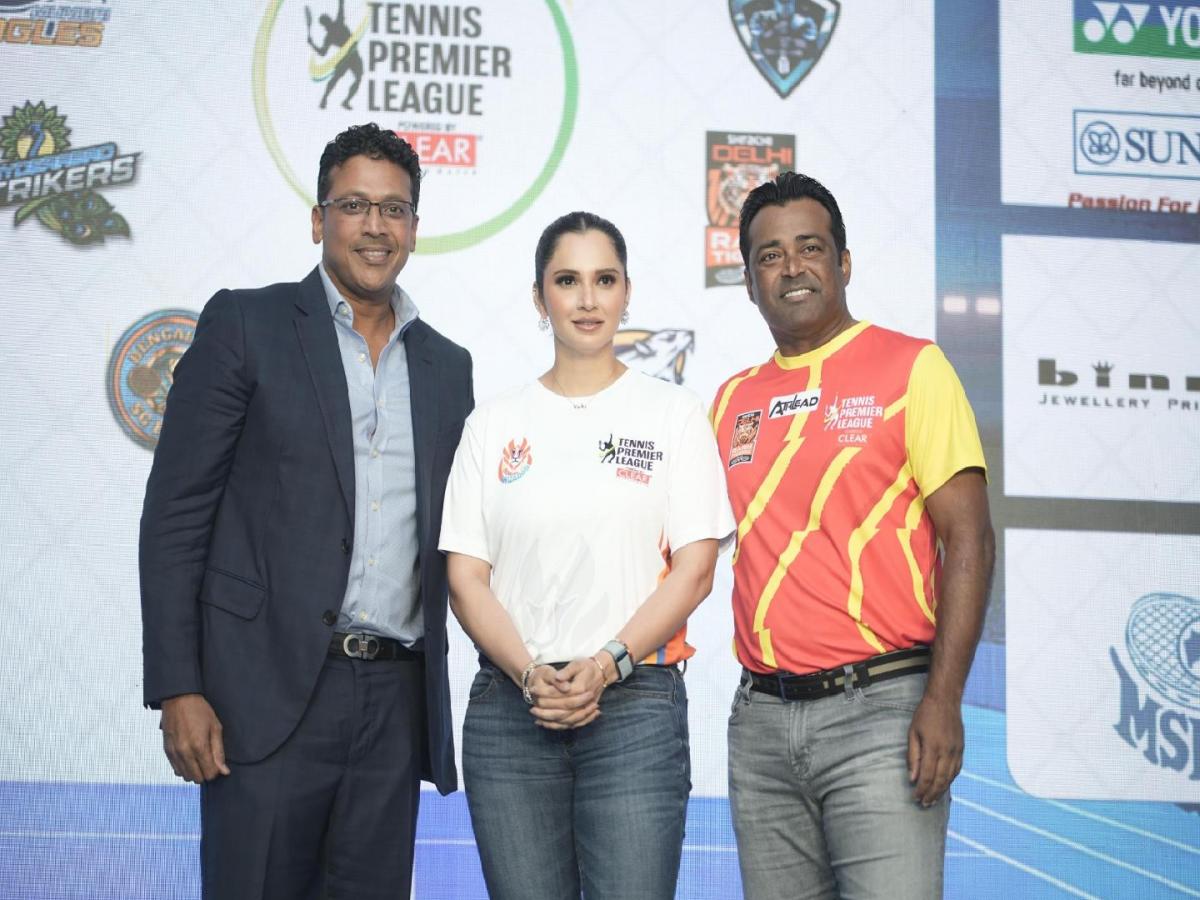
Mirza collected 18 votes to lock down the leading position among the female candidates.
Former national standout Ashutosh Singh polled 17 votes to take the second male delegate spot.
Shalini Thakur Chawla earned 16 votes to claim the second female seat in the General Body.
With those tallies confirmed, Bhupathi, Mirza, Singh, and Chawla officially secured their places on the governing body.
THE TIGHT CONTEST
The final numbers revealed just how narrow the margins were for the remaining candidates.
Janaki Krishnamoorthy fell just short of qualifying for the General Body after receiving 15 votes.
That single-vote deficit kept Krishnamoorthy outside the four qualifying positions.
Former national player Vishal Uppal secured nine votes during the balloting process.
Gaurav Natekar, who had also submitted his candidacy, collected eight votes from the electoral college.
Former international player Ankita Bhambri completed the contested field with seven votes.
The close results demonstrated that the electorate took every candidate's credentials into serious consideration.
Even established names faced real competition from peers within the tennis fraternity.
LEGENDS AT THE HELM
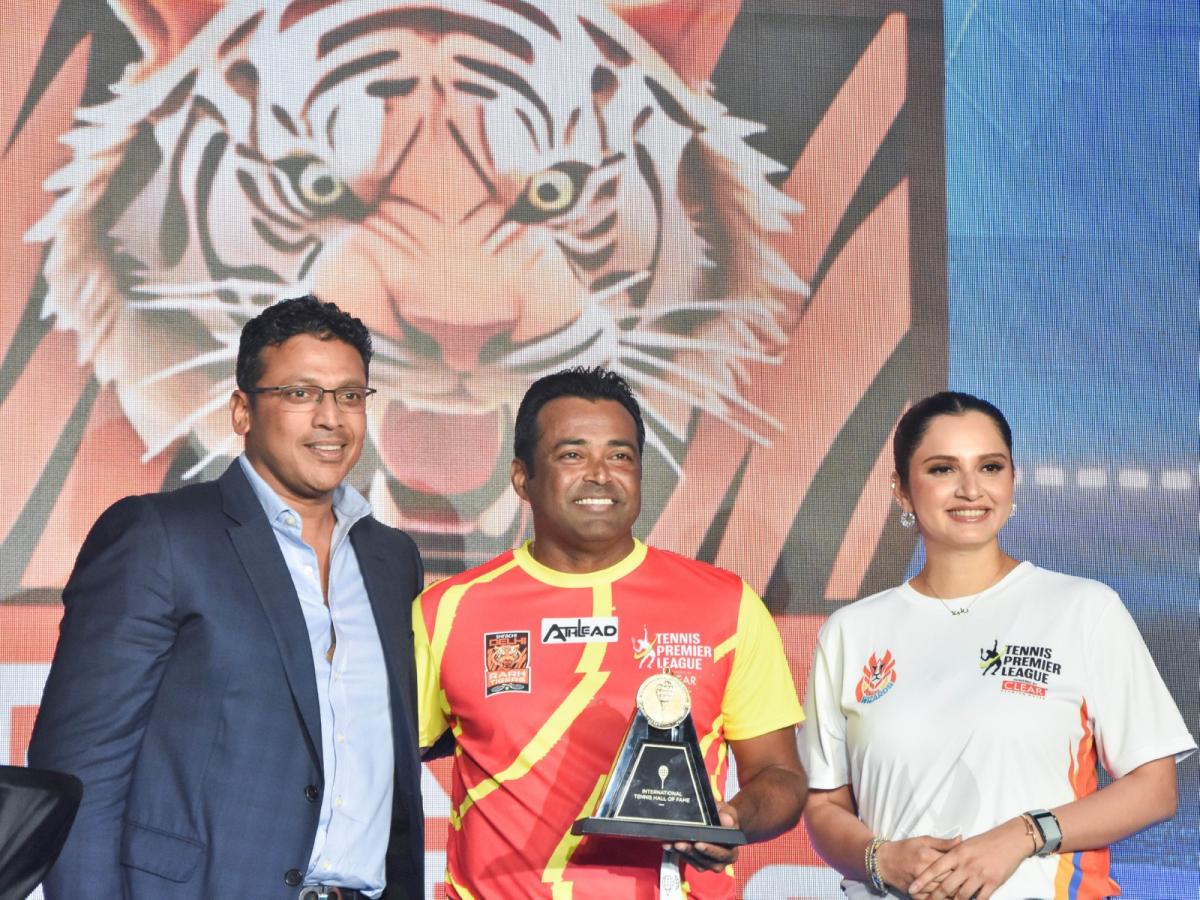
The election of Bhupathi and Mirza brings extraordinary international pedigree into the AITA administration.
Bhupathi is widely regarded as one of the most decorated doubles players in the history of the sport.
A former world number one in doubles, Bhupathi collected an astonishing 12 Grand Slam titles throughout his career.
His Grand Slam haul includes four men's doubles crowns and eight mixed doubles championships.
Bhupathi also formed an iconic doubles partnership with Leander Paes that produced multiple Grand Slam victories for India.
Mirza holds an equally glittering status in global tennis history.
She ascended to the world number one ranking in women's doubles in 2015.
Over the course of her remarkable playing career, Mirza captured six Grand Slam titles.
Her collection features three women's doubles Grand Slam trophies alongside three mixed doubles titles.
Mirza officially retired from competitive professional tennis in February 2023.
Now, her return to Indian tennis governance provides an influential platform for the next generation of players.
THE ADMINISTRATIVE HORIZON
Winning seats in the AITA General Body is only the opening chapter of this administrative transition.
The focus now shifts immediately toward the AITA Executive Committee elections.

Those crucial leadership polls are scheduled to take place on Thursday, November 27.
The Executive Committee functions as the federation's core 15-member executive apparatus.
Under the amended constitution, two of the four elected SOM representatives will sit directly on this powerful committee.
Once again, the rules mandate strict gender balance for these leadership positions.
One male representative and one female representative will be chosen from the four General Body delegates.
Both Bhupathi and Mirza are expected to vie for these two Executive Committee seats on November 27.
Securing places on the Executive Committee would grant former athletes a direct vote on major federation policies.
They would influence tournament planning, player funding, national coaching programs, and grassroots development pathways.
AN EXPANDING ERA FOR ATHLETES
The sheer volume of 26 applicants shows that India's former tennis stars no longer want to remain passive observers.
Having figures like Rohan Bopanna and Anand Amritraj enter the process proves that respected veterans are ready to serve.
Their willingness to navigate complex electoral procedures reflects a genuine commitment to Indian tennis reform.
For decades, former players often debated federation decisions from the outside.
Today, national sports laws have established a legitimate doorway for them to enter the boardroom.
The presence of Bhupathi, Mirza, Singh, and Chawla inside the General Body guarantees that competitive perspective will guide administrative debate.
As the November 27 Executive Committee vote approaches, Indian tennis stands on the brink of a transformed administrative landscape.
Did you expect to see so many prominent former Davis Cup stars and Grand Slam winners eagerly stepping forward to run sports administration?
Advertisement
You may also like

Wood Brothers Breaks Silence After Josh Berry Wrecked Alliance Partner Ryan Blaney At Martinsville
Team Penske shares a direct technical alliance with Wood Brothers Racing, making Josh Berry's race-ending collision with Penske driver Ryan Blaney an especially awkward…

How Saudi Arabia's PIF Strategy Shift After Iran War Triggered LIV Golf's Collapse
Months after the start of the Iran war, Saudi Arabia's Public Investment Fund changed its investment strategy in April and decided it would stop…

RFK Racing Replaces Brad Keselowski With Ryan Preece in the Iconic No. 6 Ford for 2027
RFK Racing announced that 36-year-old Ryan Preece will replace departing co-owner Brad Keselowski behind the wheel of the No. 6 Ford Mustang starting in…
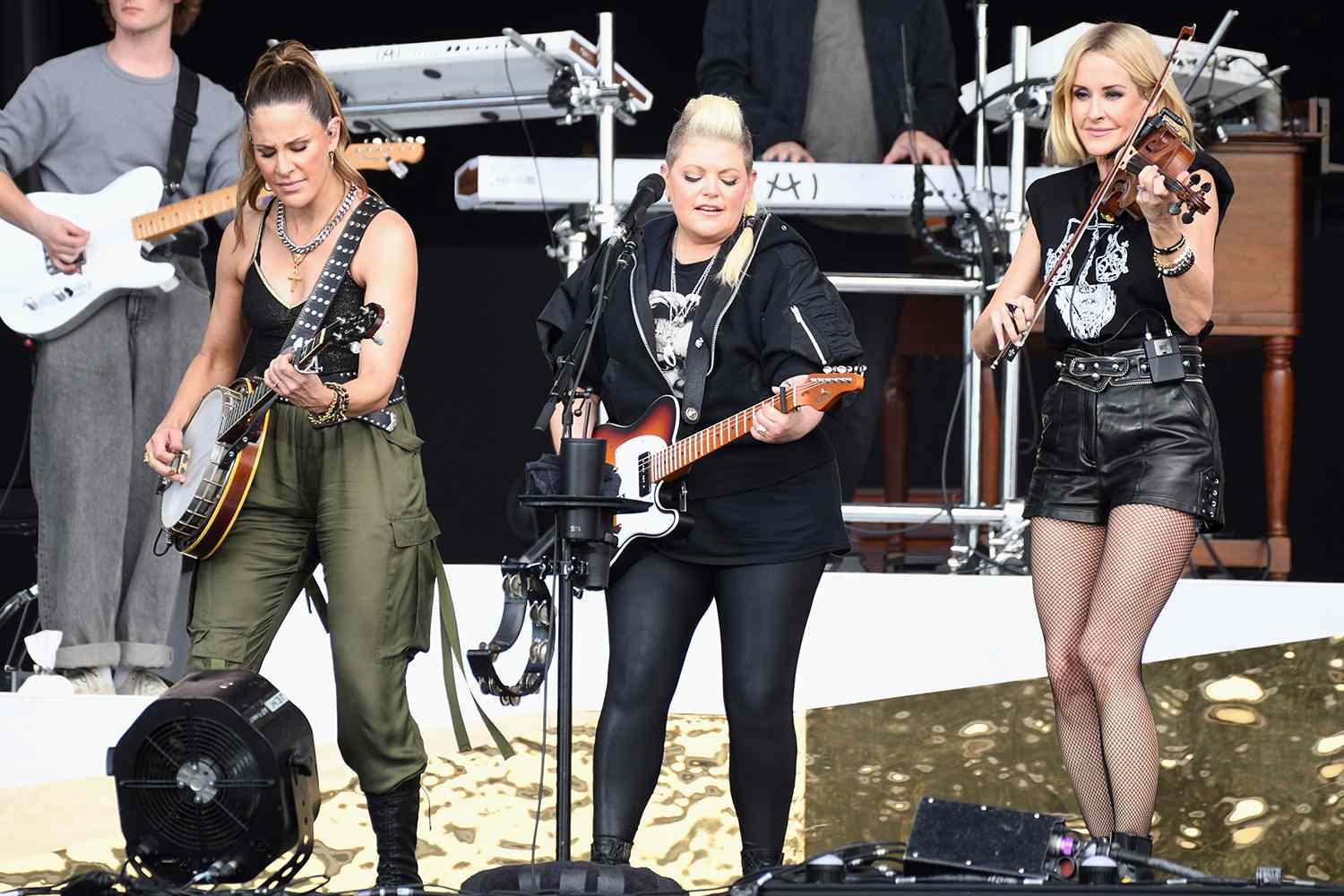
The Chicks Spark Outrage After Postponing Hollywood Show Ninety Minutes Before Curtain Call
The Chicks called off their November 2 concert at Hollywood's Dolby Theatre just ninety minutes before showtime due to illness, leaving arriving fans stranded…
Daniil Medvedev Threatens To Retire In Paris After Seven Consecutive Weeks On Tour
During his heated changeover at the Paris Masters, Daniil Medvedev claimed he had torn his adductor and questioned whether he should retire from the…
Melissa Rycroft's Texas Legal Timeline: Back-to-Back DWI Arrests Just Over a Year Apart
Melissa Rycroft's recent arrest marks her second DWI charge in Texas, coming just months after she pleaded guilty to an initial September 2025 incident…