Bryson DeChambeau’s tip to help amateur golfers reach 200 mph ball speed ‘without swinging quickly’
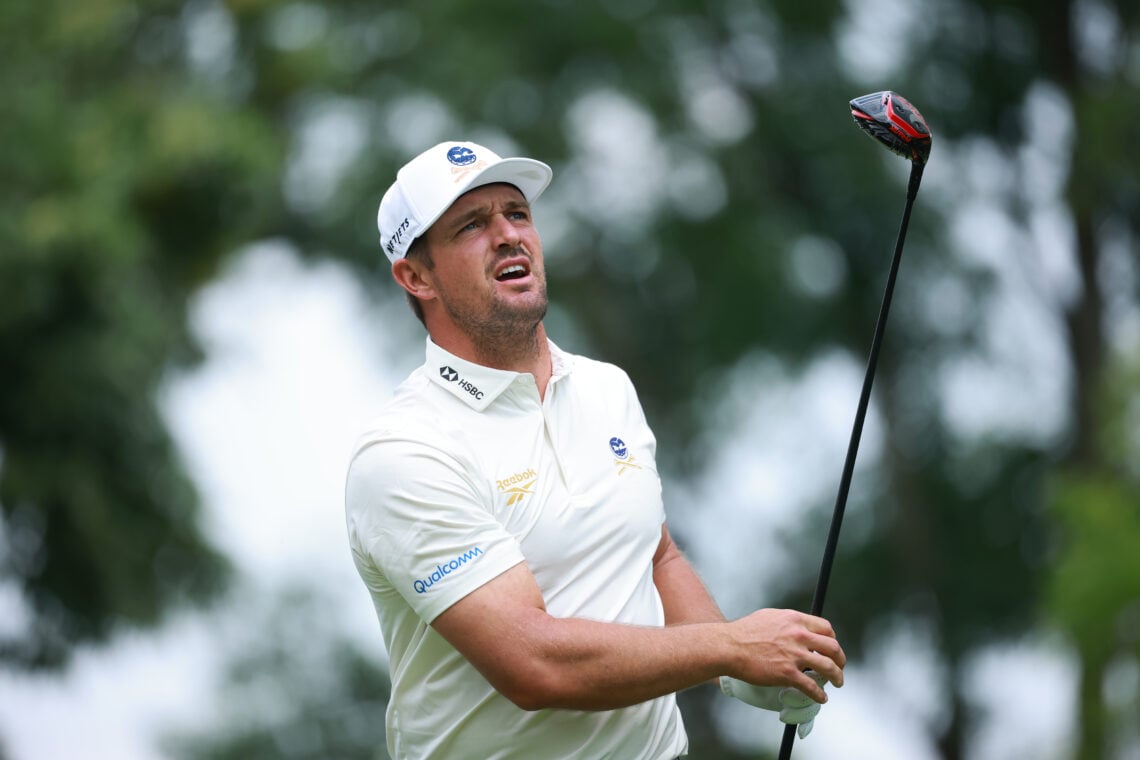
Bryson DeChambeau’s tip to help amateur golfers reach 200 mph ball speed ‘without swinging quickly’ is built on one core idea: force, not speed.
DeChambeau, the two-time US Open champion, first revealed the concept back in 2022, when he was at the peak of his power.
“You want to know how I gain distance? Well listen in, this is how you do it,” he said.
“You’re going to be over 200 mph, like that (clicks fingers).”
He then explained the biggest misconception in golf.
“Guys, I want you to understand, it’s not how quickly you swing it, it’s about how much force you put into the golf club.”
DeChambeau’s method focuses on producing more force into the handle of the club.
“We want to produce more force into the handle, that’s how you produce power without swinging quickly,” he said.
“You’re going to put force into the golf club.”
The 33-year-old from Dallas, Texas, described exactly what most amateurs get wrong.
“The biggest misconception about speed is you taking it back and trying to apply a lot of speed at the top,” he said.
“You’re going to throw the club out that way (towards trail foot), you don’t want that, because then you’ve got to pull the club this way (towards lead foot).”
His solution is a different feel entirely.
“You want to feel like it loads down into a place where then you can pull the club through the impact area,” he said.
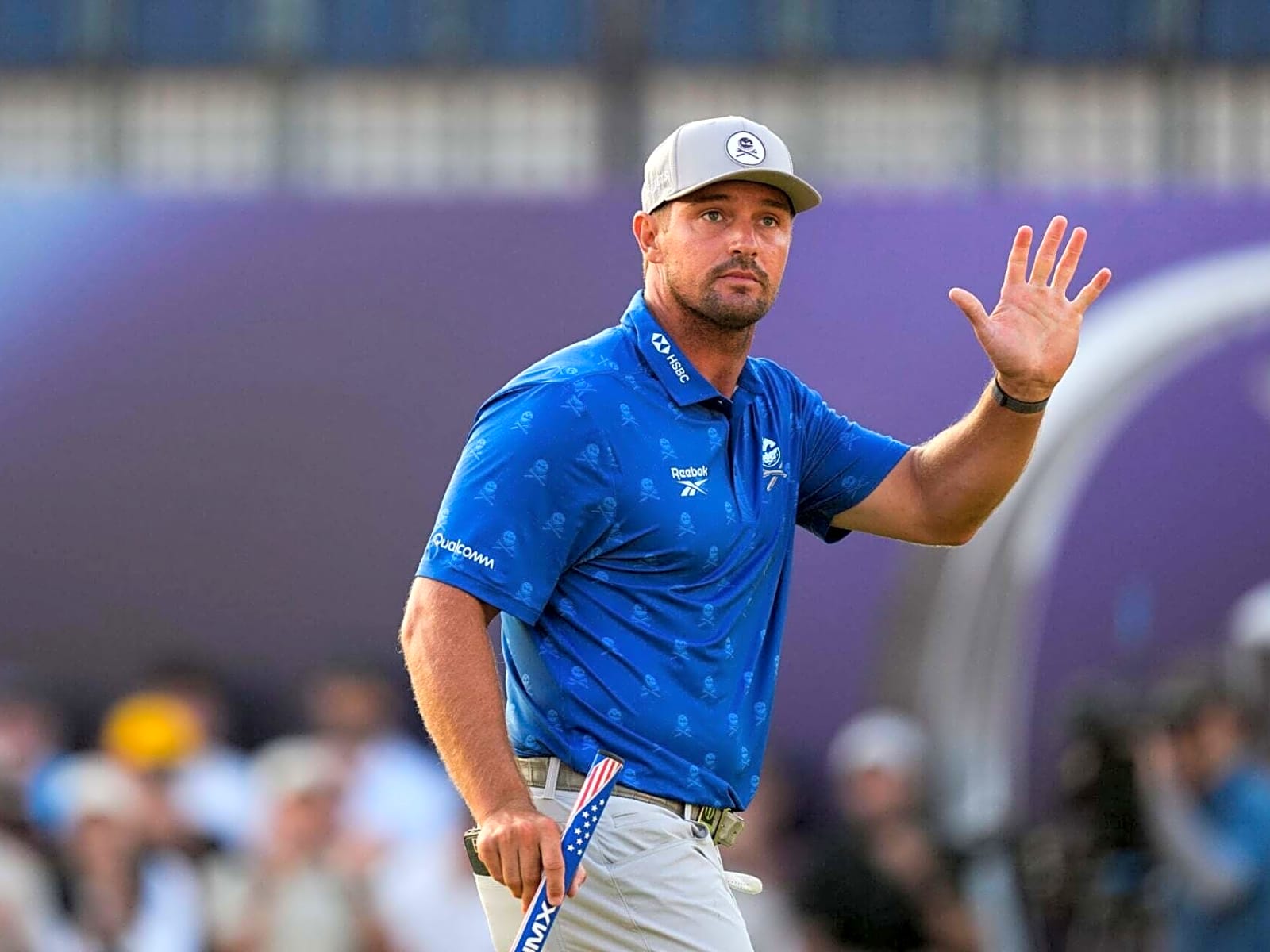
“That is how you produce speed folks.”
DeChambeau is highlighting that creating speed has nothing to do with hitting the ball as hard as you can by using your hands.
The real key is getting the big muscles working.
Golfers need to create resistance with their lower body and use that to maximize force.
DeChambeau was an average hitter before his first US Open victory in 2020 at Winged Foot.
But toward the end of the 2019 season, he bulked up, adding enormous amounts of speed and power to his game.
He quickly became the longest hitter in the game.
That transformation helped him win numerous golf tournaments, including his two US Open titles in 2020 and 2024.
He has shared numerous driving tips over the years to help amateur golfers add distance to their tee shots.
But this 2022 tip remains his clearest explanation of the force-over-speed principle.
DeChambeau emphasized that the feeling should be one of loading the club downward, not swinging it faster.
The lower body creates a stable base.
The big muscles of the torso and legs generate the force.
The hands and arms simply deliver it through impact.

Most amateurs try to swing faster by using their arms and hands more aggressively.
That leads to a loss of control and inconsistent contact.
DeChambeau’s method flips that approach.
He wants golfers to feel like they are pushing force into the ground through their legs.
That ground reaction force then travels up through the body and into the club.
The result is higher ball speed without a faster swing.
DeChambeau’s own ball speed numbers back up his claim.
During his peak power phase, he regularly exceeded 200 mph ball speed on Trackman monitors.
That put him in a category with only a handful of players in professional golf history.
While he may not consistently reach those numbers during tournament play today, he is still more than capable of cranking up the power when needed.
The tip is especially relevant for amateur golfers who struggle with distance.
Many amateurs try to swing harder to gain yards.
DeChambeau argues that approach is counterproductive.
By focusing on force production rather than swing speed, golfers can generate more power with less effort.

The key is learning the correct feel.
DeChambeau described it as loading the club into a position where the body can then pull it through impact.
That loading phase is where the power is built.
If a golfer tries to apply speed at the top of the swing, they lose that loading sensation.
The club gets thrown outward, and the body has to compensate.
That compensation leads to inconsistent strikes and lost distance.
DeChambeau’s method eliminates that compensation.
By feeling the club load down, the golfer creates a stretch in the muscles.
That stretch then recoils through impact, generating speed naturally.
It is the same principle used in other sports.
A baseball pitcher loads their back leg before driving toward home plate.
A boxer loads their back foot before throwing a punch.
Golf is no different.
The lower body initiates the movement.

The upper body follows.
The club is the last thing to release.
DeChambeau’s tip is not just for elite players.
He specifically aimed it at amateur golfers who want to add distance.
The average golfer will never be able to get close to 200 mph ball speed, but the principle still applies.
Even gaining 5 to 10 mph of ball speed can significantly improve distance.
That can mean the difference between hitting a 7-iron or a 5-iron into a green.
DeChambeau’s advice is free and available to anyone willing to try it.
He has not charged for the tip or packaged it into a paid program.
He simply explained it in an interview, and the golf world took note.
The tip has been shared widely across social media and golf forums.
Many golfers have reported success after implementing the force-loading feel.
Some have gained significant distance without changing their swing speed.
Others have found more consistency in their ball striking.
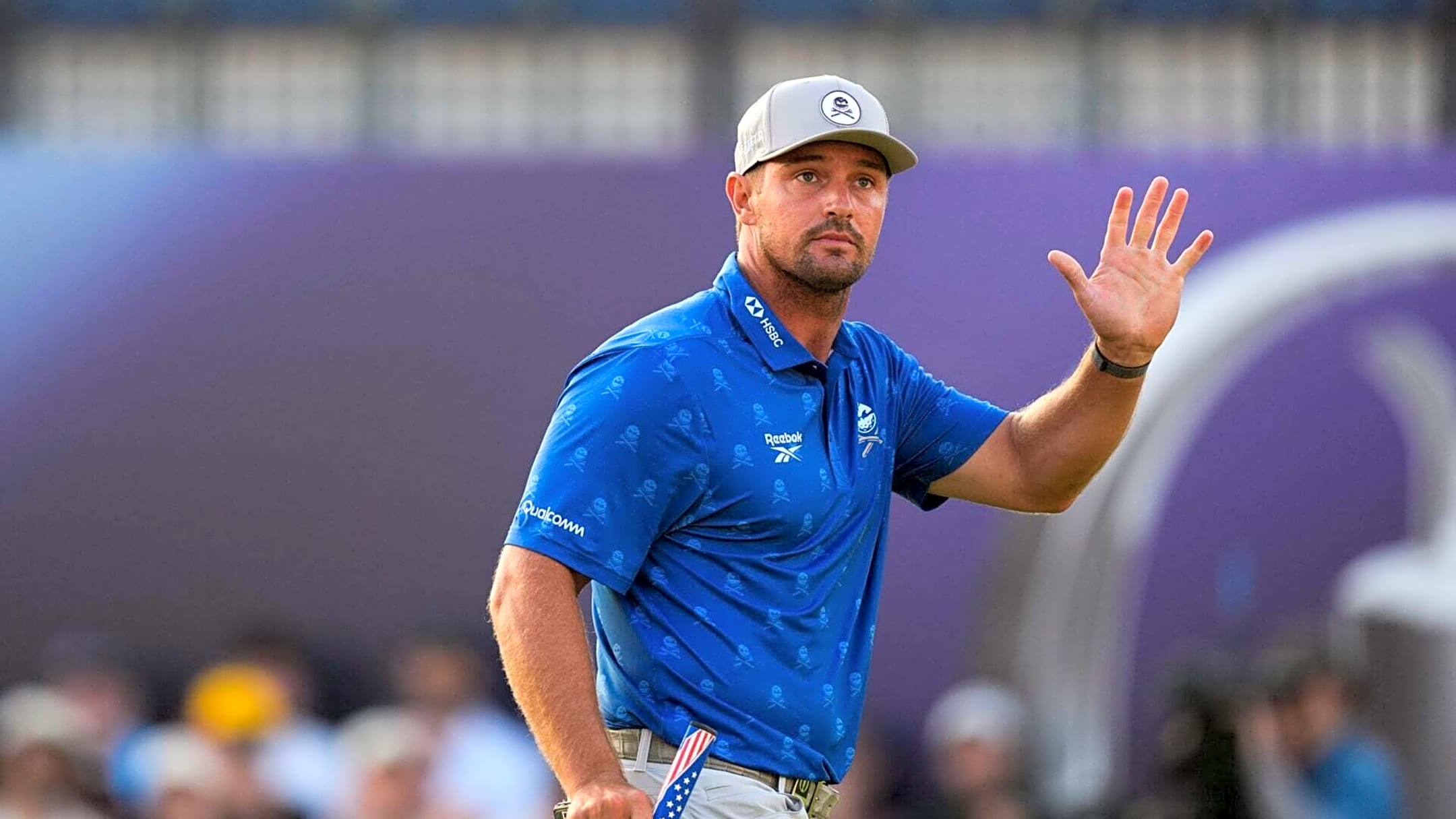
The common thread is that they stopped trying to swing harder.
Instead, they focused on producing force into the club.
DeChambeau’s own career is a testament to the effectiveness of the method.
He went from a relatively short hitter to the longest player on tour in less than two years.
That transformation was not about swinging faster.
It was about training his body to produce more force.
He combined the technical change with a rigorous strength and conditioning program.
But the swing concept itself is simple enough for any golfer to try.
The next time you are at the range, DeChambeau suggests forgetting about swing speed.
Instead, focus on feeling the club load down into the ground.
Let your lower body create resistance.
Then pull the club through impact using your big muscles.
The result may surprise you.
It certainly surprised the golf world when DeChambeau first demonstrated it.
And it continues to be one of the most effective distance tips ever shared by a professional golfer.
Advertisement
You may also like
Alycia Baumgardner Fires Back After Caroline Dubois' Coward Jab, Vows To Easily Pick Her Apart
Unified super-featherweight champion Alycia Baumgardner responded to Caroline Dubois calling her a coward by predicting she will dismantle the British fighter. The verbal war…
Drake Bell Blasts Nickelodeon Over Zero Sitcom Residuals And Lost Union Health Insurance
Drake Bell did not hold back when asked by YouTuber N3on why he received no residuals from his hit sitcom Drake & Josh, bluntly…
Denzel Bentley Explains Why 16 Months Of Inactivity Pushed Him To Leave Queensberry For Zuffa
Denzel Bentley endured 16 months of inactivity and vacated two championship belts under Queensberry Promotions before deciding to explore other promotional options. The British…
Outback Wrangler Sued By Families Over Airboat Crash As Matt Wright Rejects Negligence
Outback Wrangler sued by families over airboat crash. Reality television personality Matt Wright is facing extensive legal action following a serious tourism vessel collision…
Blake Shelton Caught Off Guard After Miranda Lambert Publicly Revisits Their Painful Divorce
Blake Shelton was reportedly caught off guard and felt bad after Miranda Lambert publicly spoke about their divorce, having believed those issues were left…

Kris Jenner reveals Kim Kardashian's health battle is "very worrisome" after Robert's death
Kris Jenner Says Kim Kardashian’s Esophagitis Diagnosis Is ‘Very Worrisome’ But ‘I Don’t Want to Tell Her I’m Scared’ The 70-year-old matriarch opened up…