Did MLS Give Lionel Messi Preferential Treatment By Overturning His Yellow Card Suspension?
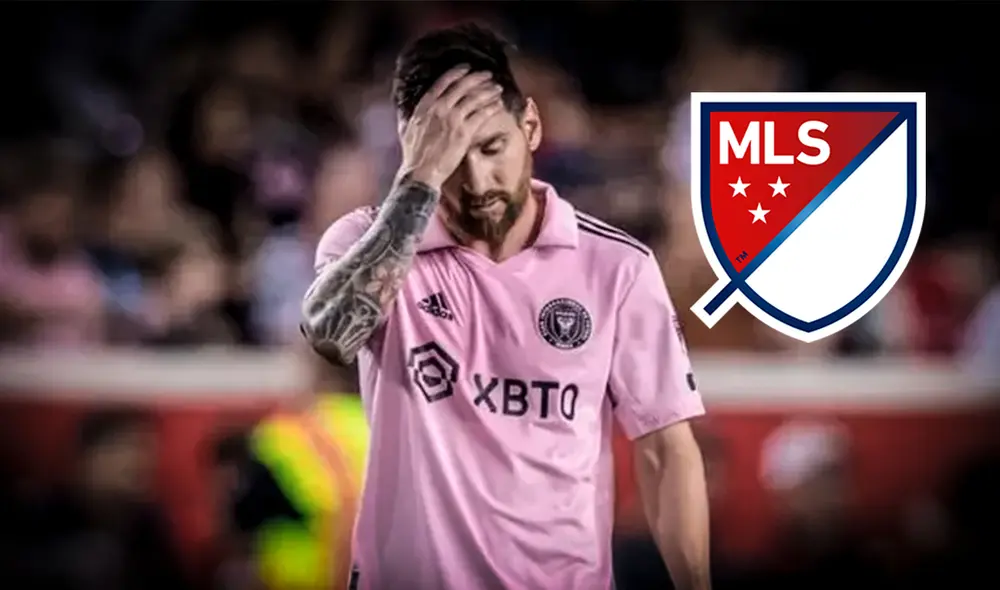
Fans and commentators are questioning whether MLS gave preferential treatment to marquee star Lionel Messi by rescinding his yellow card suspension before crucial matches.
The decision by Major League Soccer to wipe away the disciplinary sanction has ignited fierce debate across North American soccer.
Messi, the global icon leading Inter Miami, was facing a mandatory one-match ban following an accumulation of yellow cards.
Instead of serving that suspension, the Argentine forward has been cleared to play.
The league's intervention immediately provoked backlash from rival supporters, neutral observers, and national commentators alike.
At the heart of the uproar sits a fundamental question about competitive integrity.
Did the governing body apply standard disciplinary protocol, or did it alter the rules to protect its most valuable commercial asset?
A SUDDEN INTERVENTION
Disciplinary decisions in Major League Soccer rarely generate worldwide headlines, but any ruling concerning Lionel Messi inevitably commands the spotlight.
Inter Miami has relied heavily on the eight-time Ballon d'Or winner since his arrival in South Florida.
Every match featuring the Argentine superstar draws sold-out stadiums, record television ratings, and massive international engagement.
A suspension for Messi does not merely affect Inter Miami's tactical lineup on the pitch.
It impacts ticket values, television viewership, and promotional expectations across the entire competition.
When news broke that MLS had officially lifted the yellow card suspension, reactions across the sport were swift and polarized.
Major outlets, including FOX Sports, immediately asked fans and analysts whether they agreed with the league's choice to intervene.
For many observers, the timing of the reprieve seemed far too convenient to ignore.
HOW MLS DISCIPLINARY REVIEWS WORK
To understand the intensity of the backlash, one must look at how the league typically handles in-game disciplinary matters.
Under standard league guidelines, Major League Soccer operates an Independent Review Panel to evaluate contested on-field decisions.
This panel generally consists of representatives from the United States Soccer Federation, the Canadian Soccer Association, and the Professional Referee Organization.
Clubs have the right to appeal certain disciplinary actions handed down to their players during official matches.
However, successful appeals are historically rare in professional soccer.
Governing bodies generally maintain a very high threshold to overturn any ruling made by the referee on the pitch.

To rescind a sanction, an appeal panel must usually find clear and convincing evidence that the match official committed a serious and obvious error.
That standard is intentionally demanding to ensure the referee's authority remains respected across the sport.
THE RARITY OF OVERTURNING YELLOW CARDS
While red card dismissals are routinely appealed and occasionally rescinded, yellow cards occupy a far more delicate category in international soccer.
Under international regulations, yellow cards represent subjective cautions for fouls, tactical infringements, or dissent.
Most domestic competitions around the globe do not even permit clubs to appeal a single yellow card.
In standard league play, a caution is seen as an in-game judgment call that belongs entirely to the referee's discretion.
Only when an accumulation of cautions triggers an automatic one-match suspension do certain leagues allow an appeal to take place.
Even in those instances, the reversal of a yellow card requires overwhelming proof that the caution was issued in error or through mistaken identity.
Because yellow card rescissions are so exceedingly uncommon, any successful petition naturally invites intense curiosity.
When that successful petition involves the most famous soccer player on the planet, skepticism inevitably reaches a boiling point.
THE CHARGE OF PREFERENTIAL TREATMENT
Critics of the league's ruling argue that standard players would not have received such a favorable outcome.
Rival supporters have expressed frustration, claiming the decision undermines the principle of equal justice on the pitch.
Throughout sports history, leagues have frequently faced accusations of protecting their biggest box-office attractions.
In Major League Soccer, no single figure carries more commercial weight than Lionel Messi.
His arrival transformed the league's global standing, drove millions of new subscriptions to its broadcast partners, and elevated franchise valuations league-wide.
Opponents argue that MLS had an undeniable financial interest in keeping Messi available for Inter Miami's upcoming fixtures.
The matches on Miami's immediate schedule are described as critical fixtures with significant playoff and standings implications.
Benching the league's top draw during high-stakes games represents a significant commercial loss for both the competition and host venues.
Because of those business incentives, critics argue that the decision was driven by marketing priorities rather than objective justice.
THE ARGUMENT FOR ADMINISTRATIVE FAIRNESS
On the other side of the aisle, defenders maintain that high-profile players deserve the exact same administrative remedies as anyone else.

If the yellow card shown to Messi was fundamentally unjustified, Inter Miami had every right to contest it under league bylaws.
From this perspective, punishing a player with a suspension based on an erroneous refereeing decision would be an injustice in itself.
Advocates of the ruling point out that the Independent Review Panel exists precisely to correct clear refereeing mistakes before they distort competition.
If the independent panel reviewed the video evidence and found unanimous agreement that the caution was wrongful, upholding the ban would have been unfair.
In that scenario, clearing Messi is not preferential treatment, but rather the correct application of due process.
Proponents argue that refusing to overturn an incorrect card simply out of fear of public backlash would be cowardly and unjust.
A superstar should not receive special advantages, but neither should a player be denied fair review merely because of their fame.
THE REPERCUSSIONS ACROSS THE LEAGUE
Regardless of the underlying motivations, the decision establishes an unavoidable precedent that MLS must now live with.
Every coach, general manager, and player across the league will be watching future disciplinary appeals with heightened vigilance.
If another club petitions to have a decisive yellow card rescinded for an unheralded player, they will expect the exact same leniency.
Any inconsistent application of the rules in future weeks will only reignite accusations that a separate rulebook exists for superstars.
Match officials working MLS matches will also find themselves under increased pressure whenever they interact with marquee names.
Referees must feel empowered to issue disciplinary sanctions based solely on the Laws of the Game, without worrying about executive reversals.
When a league office overturns a referee's caution, it inherently risks eroding confidence in on-field officiating.
WHAT LIES AHEAD FOR INTER MIAMI
With his suspension officially expunged, Messi remains eligible to step onto the pitch for Inter Miami's pivotal matches.
The South Florida club is chasing major silverware and needs its captain leading the attack through the most demanding stretch of the calendar.
Having the Argentine playmaker on the team sheet drastically improves Miami's odds of collecting vital points.
Yet every touch, goal, and refereeing whistle involving Messi in these upcoming fixtures will be scrutinized through the lens of this decision.
Opposing teams will feel an added edge, knowing that their opponent is fielding a player who was originally slated to be in the stands.
The spotlight on Inter Miami was already bright, but this controversy guarantees an even more hostile atmosphere in rival venues.
Major League Soccer has made its definitive ruling, but the court of public opinion remains sharply divided.
Did Major League Soccer show preferential treatment to Lionel Messi by wiping out his suspension?
Advertisement
You may also like

Wood Brothers Breaks Silence After Josh Berry Wrecked Alliance Partner Ryan Blaney At Martinsville
Team Penske shares a direct technical alliance with Wood Brothers Racing, making Josh Berry's race-ending collision with Penske driver Ryan Blaney an especially awkward…

How Saudi Arabia's PIF Strategy Shift After Iran War Triggered LIV Golf's Collapse
Months after the start of the Iran war, Saudi Arabia's Public Investment Fund changed its investment strategy in April and decided it would stop…

RFK Racing Replaces Brad Keselowski With Ryan Preece in the Iconic No. 6 Ford for 2027
RFK Racing announced that 36-year-old Ryan Preece will replace departing co-owner Brad Keselowski behind the wheel of the No. 6 Ford Mustang starting in…

The Chicks Spark Outrage After Postponing Hollywood Show Ninety Minutes Before Curtain Call
The Chicks called off their November 2 concert at Hollywood's Dolby Theatre just ninety minutes before showtime due to illness, leaving arriving fans stranded…
Daniil Medvedev Threatens To Retire In Paris After Seven Consecutive Weeks On Tour
During his heated changeover at the Paris Masters, Daniil Medvedev claimed he had torn his adductor and questioned whether he should retire from the…

Melissa Rycroft's Texas Legal Timeline: Back-to-Back DWI Arrests Just Over a Year Apart
Melissa Rycroft's recent arrest marks her second DWI charge in Texas, coming just months after she pleaded guilty to an initial September 2025 incident…