Jon Rahm And Sergio Garcia Exits Sink BC Partners' $300 Million LIV Rescue Deal
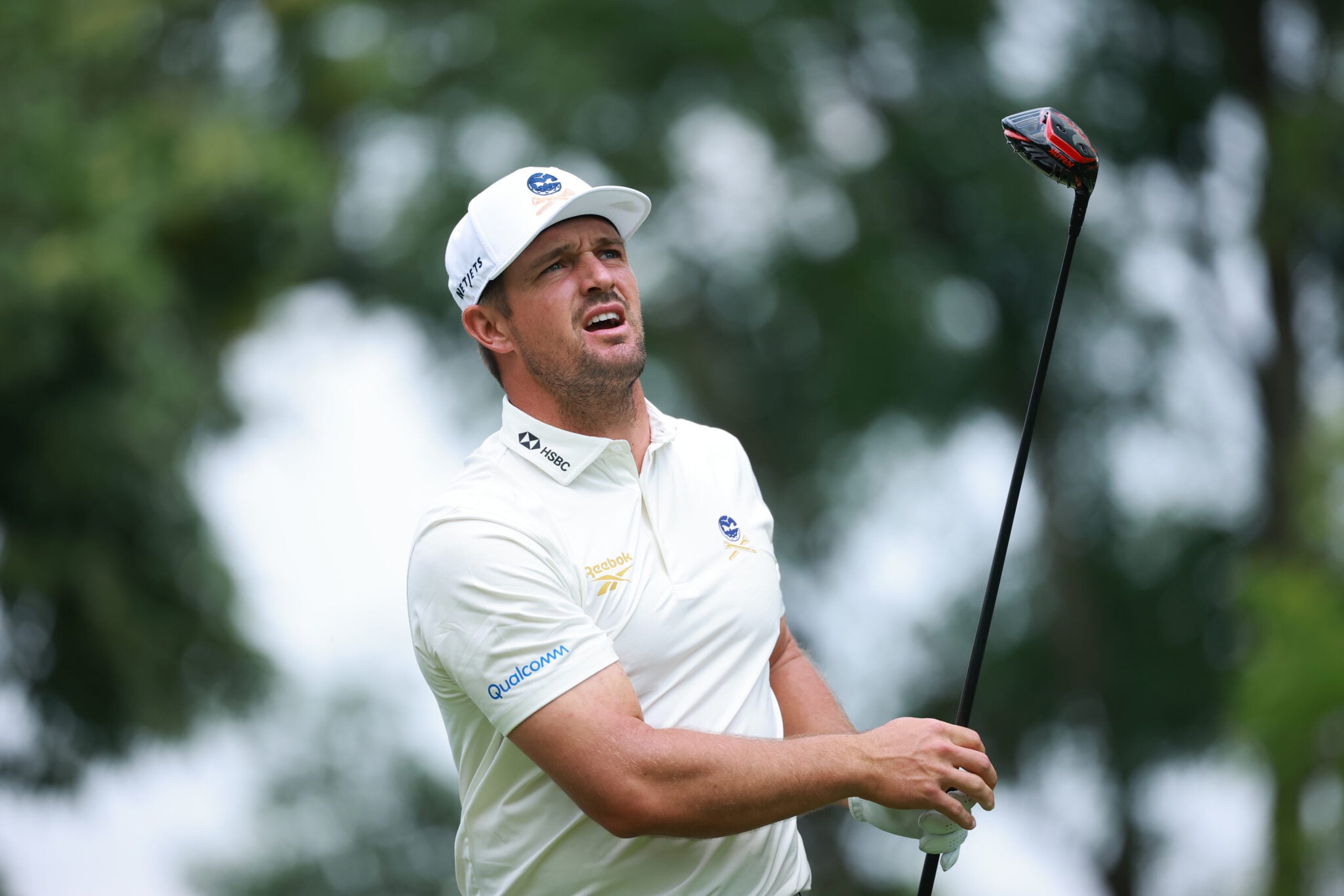
Private equity firm BC Partners withdrew its proposed $300 million lifeline after struggling to convince headline golfers to sign up for a restructured tour that offered lower payouts.
The high-stakes rescue package was designed to pull the rebel circuit out of bankruptcy.
Instead, the abrupt withdrawal of the private equity firm leaves the tour facing immediate liquidation.
Reports from both the Financial Times and The Athletic revealed that the investment firm chose to walk away after weeks of stalled negotiations.
Without financial backing, the breakaway tour is now expected to wind down all operations permanently.
A FAILING PROPOSAL
The planned rescue package unraveled when former marquee champions refused to sign new contracts.
Spanish superstars Jon Rahm and Sergio Garcia dealt fatal blows to the project by publicly announcing their departures.
Both players had previously served as high-profile figures for the Saudi-backed circuit.
Their decisions to walk away triggered deep concern among potential financiers.
LIV executives had attempted to reorganize the business under a restructured format known as LIV 2.0.
That survival plan was pitched to competitors as a "shorter schedule and reduced prize money, and equity stakes in the league for players."
However, established champions resisted the prospect of taking major pay cuts.
The original tour lured players away from the PGA Tour with massive upfront payments and guaranteed purses.
When those guaranteed payouts shrank, key stars decided they no longer wanted to participate.
With Rahm and Garcia walking away, several other unnamed golfers reportedly remained undecided on whether to return.
BC Partners Credit determined that the league lacked the necessary star power to remain commercially viable.
FROM BILLIONS TO BANKRUPTCY
The collapse of the rescue package marks a staggering fall for golf's biggest rebel venture.
Saudi Arabia's Public Investment Fund launched the circuit in 2022 to disrupt traditional professional golf.
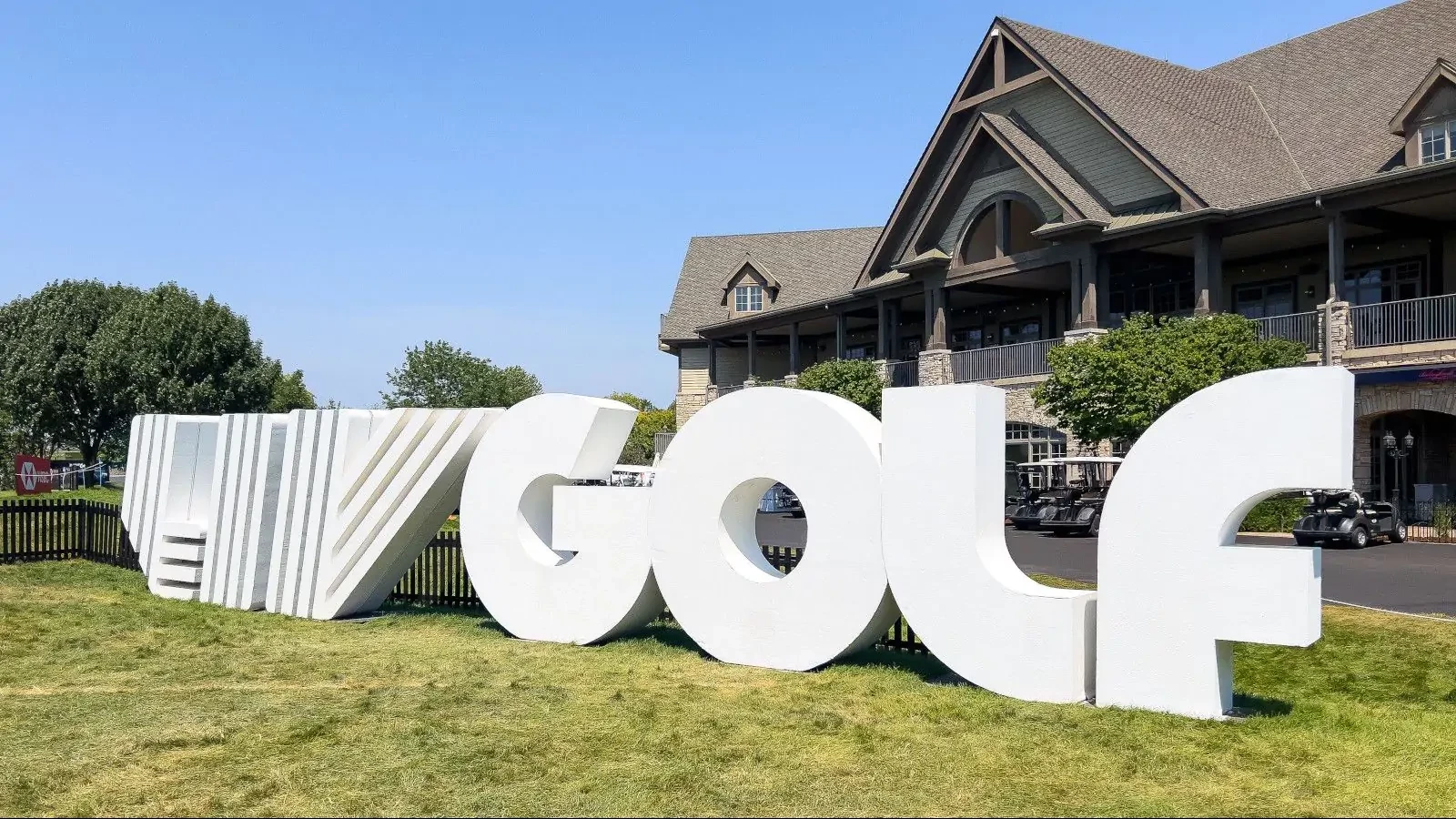
The sovereign wealth fund poured an estimated $5 billion into the league over a two-year spending spree.
European golf executives later claimed the total expenditure by the entity actually exceeded $7 billion.
Despite the massive financial outlay, the Saudi fund abruptly pulled its financial support in April.
The loss of sovereign wealth backing triggered severe operational distress across the entire organization.
With debts mounting and no ongoing cash flow, LIV Golf formally filed for bankruptcy protection in September.
Tour leadership subsequently scrambled to find private capital to keep the competition alive.
BC Partners Credit emerged as the primary candidate to lead that financial restructuring.
The investment firm pledged an initial funding commitment that could reach up to $300 million.
That financial injection was intended to fund a shortened calendar through the 2027 season.
Every dollar of that proposed capital depended on locking down the league's top talent.
A RACE AGAINST TIME
Organizers spent weeks attempting to assemble a viable player roster before a court-mandated deadline.
According to BBC Sport, the tour had managed to gather commitments from around 30 golfers.
That group of 30 players reportedly included several major championship winners.
LIV leadership had also secured preliminary commitments from outside co-investors ready to support the reboot.
However, sources indicated that the remaining time to finalize binding agreements proved far too short.
The inability to resolve contract terms with marquee names halted the process completely.
The final failure of the rescue effort will soon be presented directly to a bankruptcy judge.
An attorney representing LIV Golf is expected to appear at a scheduled court hearing on Thursday.
The attorney is expected to announce to the court that the LIV 2.0 proposal is no longer viable.

That formal admission will clear the way for the legal liquidation of the league's remaining assets.
LIV Golf did not immediately respond to requests for comment regarding the reports.
PRESSURE FROM TRADITIONAL TOURS
The rebel circuit also suffered from severe strategic moves executed by established golf bodies.
The DP World Tour played a significant role in complicating LIV's player retention efforts.
European tour leadership reversed its previous policy that permitted golfers to appear in events on both circuits.
That policy reversal forced European players like Rahm to make an exclusive choice between the two platforms.
DP World Tour chief executive Guy Kinnings addressed the ongoing conflict in comments to the Scotsman newspaper.
Kinnings stated that he had a fundamental duty to protect his tour against an entity that spent billions trying to destroy it.
PGA Tour star Rory McIlroy firmly supported Kinnings during a press conference in Abu Dhabi.
Speaking ahead of the DP World Tour playoff Abu Dhabi Championship, McIlroy accused LIV of aggressive intentions.
McIlroy noted that LIV representatives had spent time at Augusta openly stating their desire to eliminate rival circuits.
The Northern Irishman found it ironic that LIV officials later began preaching collaboration once their funding evaporated.
Those regulatory pressures left European players unable to maintain dual status without severe sanctions.
STARS STRANDED WITHOUT A TOUR
The sudden demise of the rescue package leaves several prominent athletes in professional limbo.
Two-time major winner Bryson DeChambeau now finds himself in an extremely uncertain position.
DeChambeau served as the breakaway tour's most vocal and visible on-course ambassador.
Conflicting reports emerged regarding his status in the league's final weeks.
Some outlets reported that DeChambeau did not publicly commit to returning to the restructured circuit.
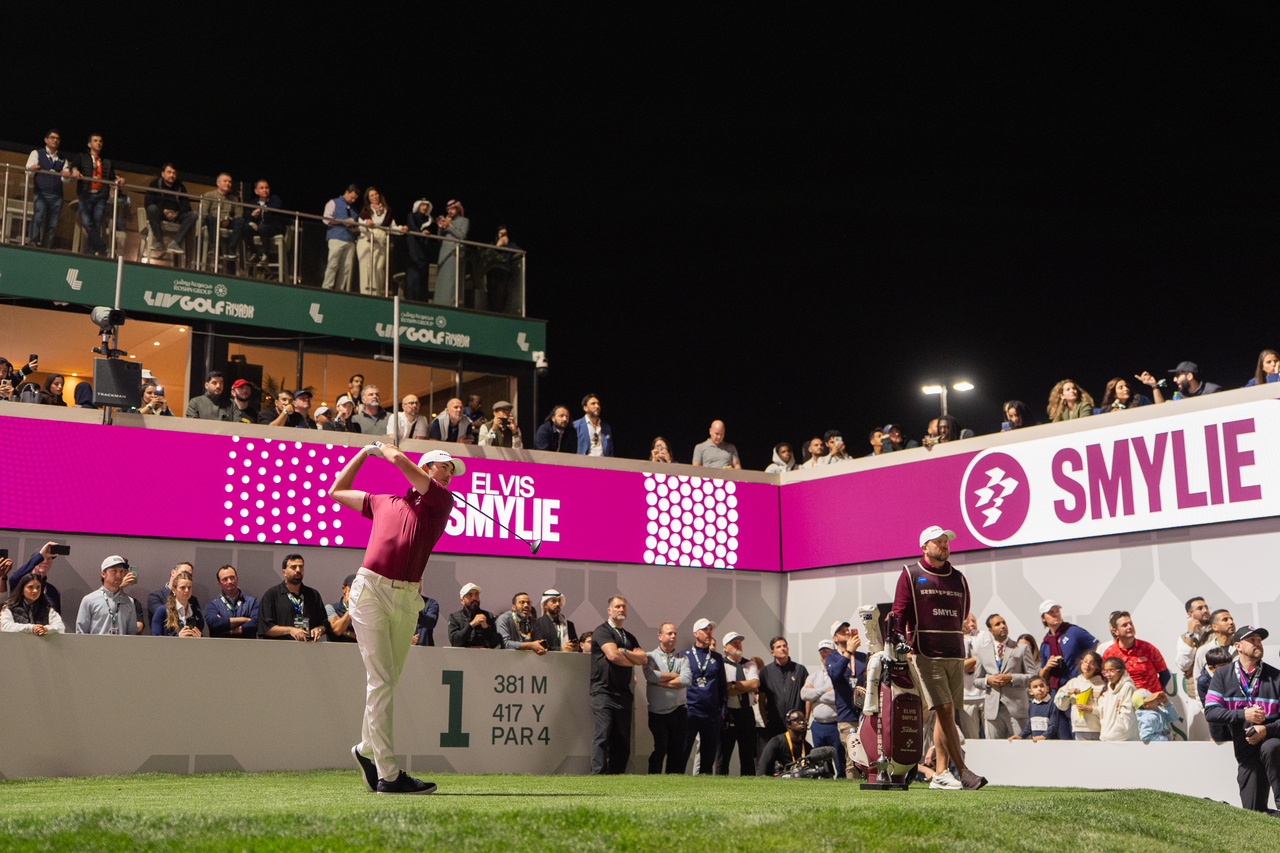
Other reports highlighted that he had recently declared full commitment to LIV Golf and endorsed its revised business model.
Regardless of his loyalty, the collapse of BC Partners' deal leaves DeChambeau stranded without an active home circuit.
Analysts have noted that his commitment to a dying league caused him to miss other lucrative opportunities.
Alternative online competitions like the Internet Invitational have generated massive audiences during the professional offseason.
The YouTube-based event amassed 23 million views across its first three episodes while paying out a $4 million purse.
Popular golf creators such as Brad Dalke, Wesley Bryan, and Luke Kwon competed for substantial earnings.
DeChambeau boasts over 3 million YouTube subscribers and has previously expressed interest in transitioning toward digital content creation.
Yet his ties to the collapsing league kept him isolated from those thriving alternative platforms.
GLOBAL COLLAPSE AND LIQUIDATION
The cancellation of the $300 million package has triggered immediate consequences across international markets.
Host cities that signed multi-year tournament contracts are now preparing for life after LIV.
In Australia, South Australian Premier Peter Malinauskas conceded that the league is unlikely to return to Adelaide.
The Adelaide event had represented one of the rebel tour's few undisputed attendance and commercial triumphs.
Other international stops face the same sudden cancellation of future events.
The legal process will now shift from corporate reorganization to the orderly wind-down of company property.
Any physical equipment, media rights, and contractual assets will be auctioned through bankruptcy proceedings.
Private equity investors were simply unwilling to risk capital on an exhibition circuit lacking its biggest draws.
The departures of Rahm and Garcia proved to financiers that the business model could no longer generate substantial television or spectator interest.
Without star names willing to compete for reduced compensation, professional golf's most disruptive experiment has officially run out of cash.
Did the players who walked away from LIV 2.0 make the smart business decision, or should they have stayed to help save the league?
Advertisement
You may also like
Willie Nelson Compares Looming Federal Hemp Ban To Prohibition, Urging Congress To Protect Farmers
Country icon Willie Nelson is speaking out against upcoming federal legislation that would outlaw all hemp-derived THC products in the United States starting December…
Harry and Meghan Pay Tribute as Key Docuseries Producer Chanel Pysnik Exits Archewell Productions
Chanel Pysnik, who served as executive producer on the docuseries Harry & Meghan and was one of the company's first hires, has officially left…
WWE Shakeup: AJ Styles Slated For Scouting Power As Bobby Roode Eyed For Major Role
Amid pushback over creative changes, reports indicate that AJ Styles is expected to receive more influence over WWE's scouting department while Bobby Roode is…
Wood Brothers Breaks Silence After Josh Berry Wrecked Alliance Partner Ryan Blaney At Martinsville
Team Penske shares a direct technical alliance with Wood Brothers Racing, making Josh Berry's race-ending collision with Penske driver Ryan Blaney an especially awkward…
How Saudi Arabia's PIF Strategy Shift After Iran War Triggered LIV Golf's Collapse
Months after the start of the Iran war, Saudi Arabia's Public Investment Fund changed its investment strategy in April and decided it would stop…
RFK Racing Replaces Brad Keselowski With Ryan Preece in the Iconic No. 6 Ford for 2027
RFK Racing announced that 36-year-old Ryan Preece will replace departing co-owner Brad Keselowski behind the wheel of the No. 6 Ford Mustang starting in…