Saudi Arabia Poured $5 Billion Into LIV Golf Before Walking Away as Liquidation Looms
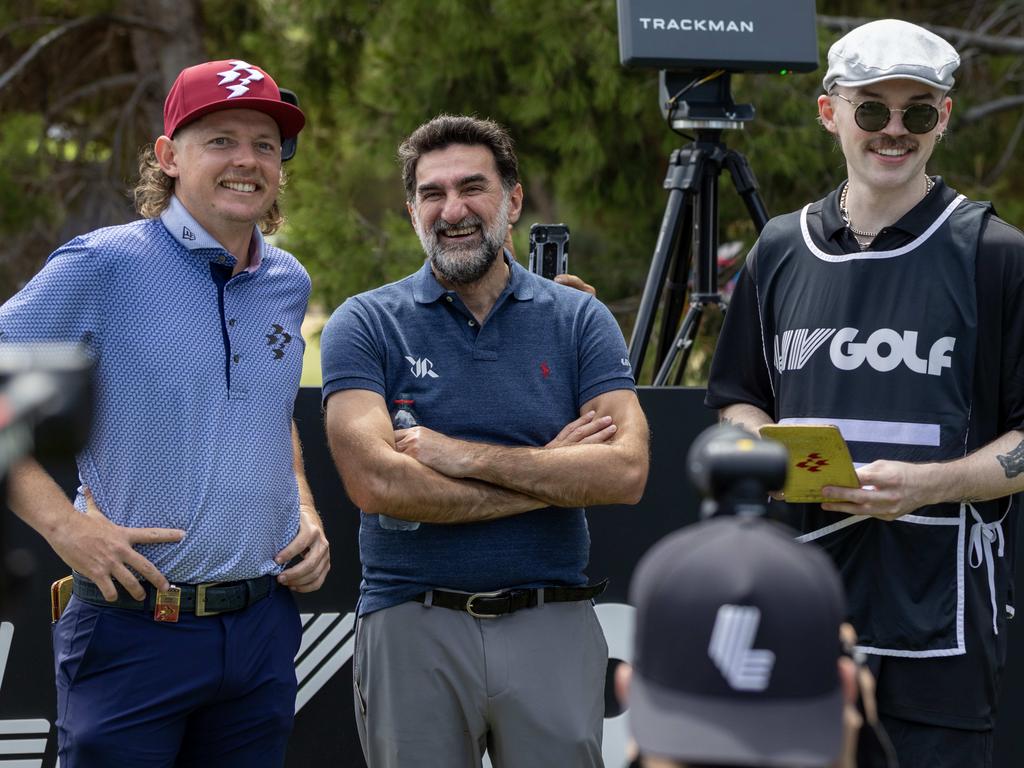
Saudi Arabia's Public Investment Fund poured an estimated $5 billion into LIV Golf since 2022 before abruptly pulling the plug in April, leaving the circuit facing liquidation with up to $1 billion in liabilities across at least 1,000 creditors.
The audacious enterprise that once disrupted global sport has reached the end of the fairway.
A high-stakes attempt to salvage the breakaway league through a private capital rescue package has completely unraveled.
Now, the rebel circuit is bracing for an imminent wind-down and the liquidation of its remaining assets.
THE COLLAPSE OF THE RESCUE DEAL
The final lifeline hinged on a proposed financing arrangement from private equity backer BC Partners Credit.
The investment firm had weighed a lifeline worth up to $300 million to fund a revamped circuit known as LIV 2.0.
That rescue blueprint called for a reduced calendar, trimmed tournament purses, and offering player equity stakes to secure essential talent.
BC Partners Credit formally withdrew its support after determining that the restructured venture was no longer financially viable.
Reporting from the Financial Times and The Athletic revealed that the firm struggled to secure firm, binding commitments from marquee golfers.
Without guaranteed participation from top draws, the financial model underlying the prospective revival collapsed.
THE BILLION-DOLLAR EXPERIMENT
LIV Golf launched in 2022 backed by the sovereign wealth of Saudi Arabia's Public Investment Fund.

The sovereign fund spent an estimated $5 billion over several seasons to secure major champions and fracture the established hierarchy of professional golf.
Astronomical signing bonuses and unprecedented prize funds initially lured household names away from the PGA Tour and the European circuit.
Yet the heavy spending failed to generate commercial sustainability or mend fractures across the sport.
The primary backer abruptly halted its financial support in April.
Deprived of Saudi sovereign backing, the circuit was forced to file for formal bankruptcy protection in September.
A SHORT DEADLINE RUNS OUT
Organizers working on the LIV 2.0 concept had raced against strict deadlines to assemble a workable tour for the 2027 season.
According to BBC Sport, organizers had assembled interest from co-investors alongside commitments from roughly 30 players, including several major winners.
However, insiders indicated that the window available to execute legally binding player agreements proved far too narrow.
Several former marquee performers made public declarations stating they would not participate in the new venture.
Spanish star Jon Rahm was among the high-profile defectors who walked away from the proposed LIV 2.0 structure.
Veteran major champion Sergio Garcia also departed the project, stripping the breakaway circuit of key European credibility.
Other notable tour members remained indecisive, leaving organizers unable to satisfy the conditions set by incoming creditors.
STRANDED STARS AND UNCERTAIN FUTURES
The impending collapse leaves headline performers stranded in professional limbo.
Two-time major champion Bryson DeChambeau had publicly backed the league just days before the latest collapse.
DeChambeau maintained that he was fully committed to LIV Golf and endorsed its revised business model.
Yet reporting indicates that DeChambeau had not formally executed a binding return agreement for the new iteration.
With BC Partners pulling its funding, the prominent American powerhouse now finds himself without a verified competitive home tour.
Observers have noted the contrast with off-course opportunities, pointing out that DeChambeau bypassed popular digital events like the $4 million Internet Invitational while backing LIV.
His long-term future remains undefined as traditional pathways back to established tours carry steep regulatory hurdles.
THE ESTABLISHMENT DIGS IN
The road toward a potential LIV revival grew increasingly narrow after traditional bodies took an uncompromising stance.
The DP World Tour moved to tighten its membership policies, refusing to allow participants to compete across dual circuits without sanctions.
That policy change compelled golfers like Rahm to decide between European tour standing and an unproven LIV reboot.
DP World Tour Chief Executive Guy Kinnings recently underscored his mandate to protect European golf against aggressive outside disruption.

Kinnings highlighted that outside backers had spent billions with an explicit intent to undermine established golfing ecosystems.
Global golf star Rory McIlroy echoed those sentiments ahead of the DP World Tour playoff event at the Abu Dhabi Championship.
McIlroy reiterated that breakaway organizers had openly discussed crippling established tours as recently as the Masters tournament at Augusta.
He pointed out the irony of rebel organizers abruptly pivoting to language of cooperation once financial reserves dried up.
GLOBAL FALLOUT AND LEGAL REALITIES
The ripple effects of the tour's downfall are spreading across international host destinations.
In Australia, where LIV Golf enjoyed some of its largest crowds, local officials are already confronting reality.
South Australian Premier Peter Malinauskas conceded that the circuit is now unlikely to return to Adelaide.
With foreign capitals and private equity stepping back, courtrooms now take center stage.
Bankruptcy proceedings will determine how remaining physical assets, branding properties, and broadcast infrastructure are distributed.
Attorneys representing the venture are scheduled to appear in bankruptcy court on Thursday.
Counsel is widely expected to inform the presiding judge that the LIV 2.0 reorganization plan is dead.
That official court declaration will formally transition the case toward full corporate liquidation.
After burning through an estimated $5 billion and ending in liquidation, did LIV Golf permanently alter professional golf, or did the traditional tour system ultimately win?
Advertisement
You may also like
Willie Nelson Compares Looming Federal Hemp Ban To Prohibition, Urging Congress To Protect Farmers
Country icon Willie Nelson is speaking out against upcoming federal legislation that would outlaw all hemp-derived THC products in the United States starting December…
Harry and Meghan Pay Tribute as Key Docuseries Producer Chanel Pysnik Exits Archewell Productions
Chanel Pysnik, who served as executive producer on the docuseries Harry & Meghan and was one of the company's first hires, has officially left…
WWE Shakeup: AJ Styles Slated For Scouting Power As Bobby Roode Eyed For Major Role
Amid pushback over creative changes, reports indicate that AJ Styles is expected to receive more influence over WWE's scouting department while Bobby Roode is…
Wood Brothers Breaks Silence After Josh Berry Wrecked Alliance Partner Ryan Blaney At Martinsville
Team Penske shares a direct technical alliance with Wood Brothers Racing, making Josh Berry's race-ending collision with Penske driver Ryan Blaney an especially awkward…
How Saudi Arabia's PIF Strategy Shift After Iran War Triggered LIV Golf's Collapse
Months after the start of the Iran war, Saudi Arabia's Public Investment Fund changed its investment strategy in April and decided it would stop…
RFK Racing Replaces Brad Keselowski With Ryan Preece in the Iconic No. 6 Ford for 2027
RFK Racing announced that 36-year-old Ryan Preece will replace departing co-owner Brad Keselowski behind the wheel of the No. 6 Ford Mustang starting in…