Schottenheimer admits blame for Pickens’ slow starts before Colts game
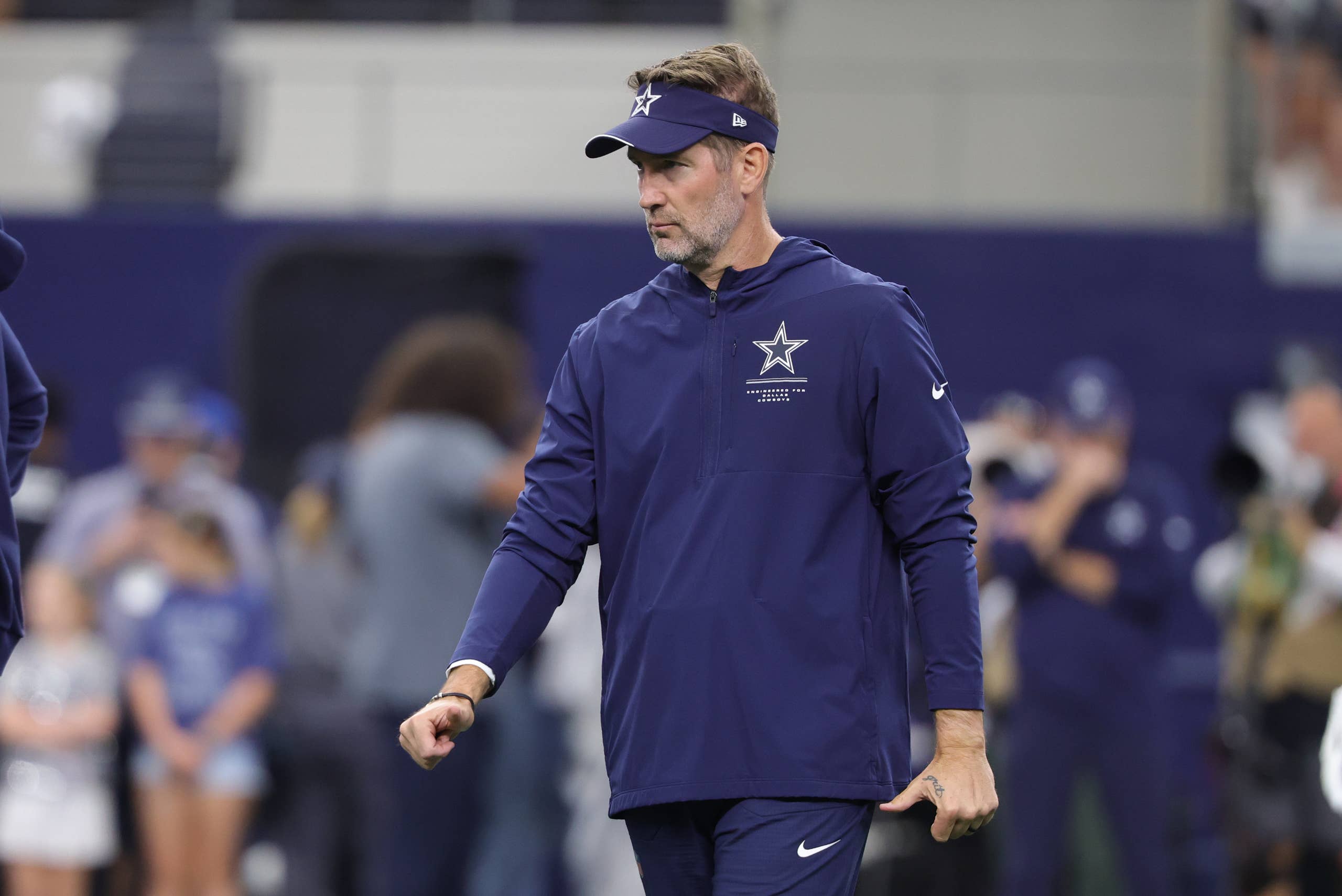
"That Starts With Me as the Play Caller": Brian Schottenheimer Takes the Blame for George Pickens’ Slow Starts Before the Colts Game
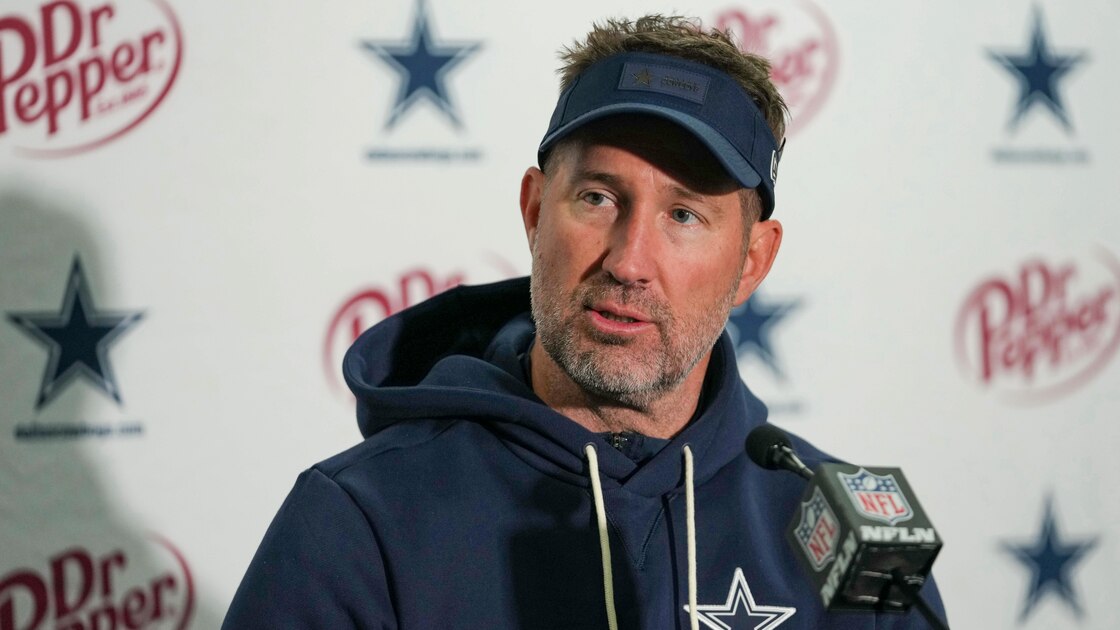
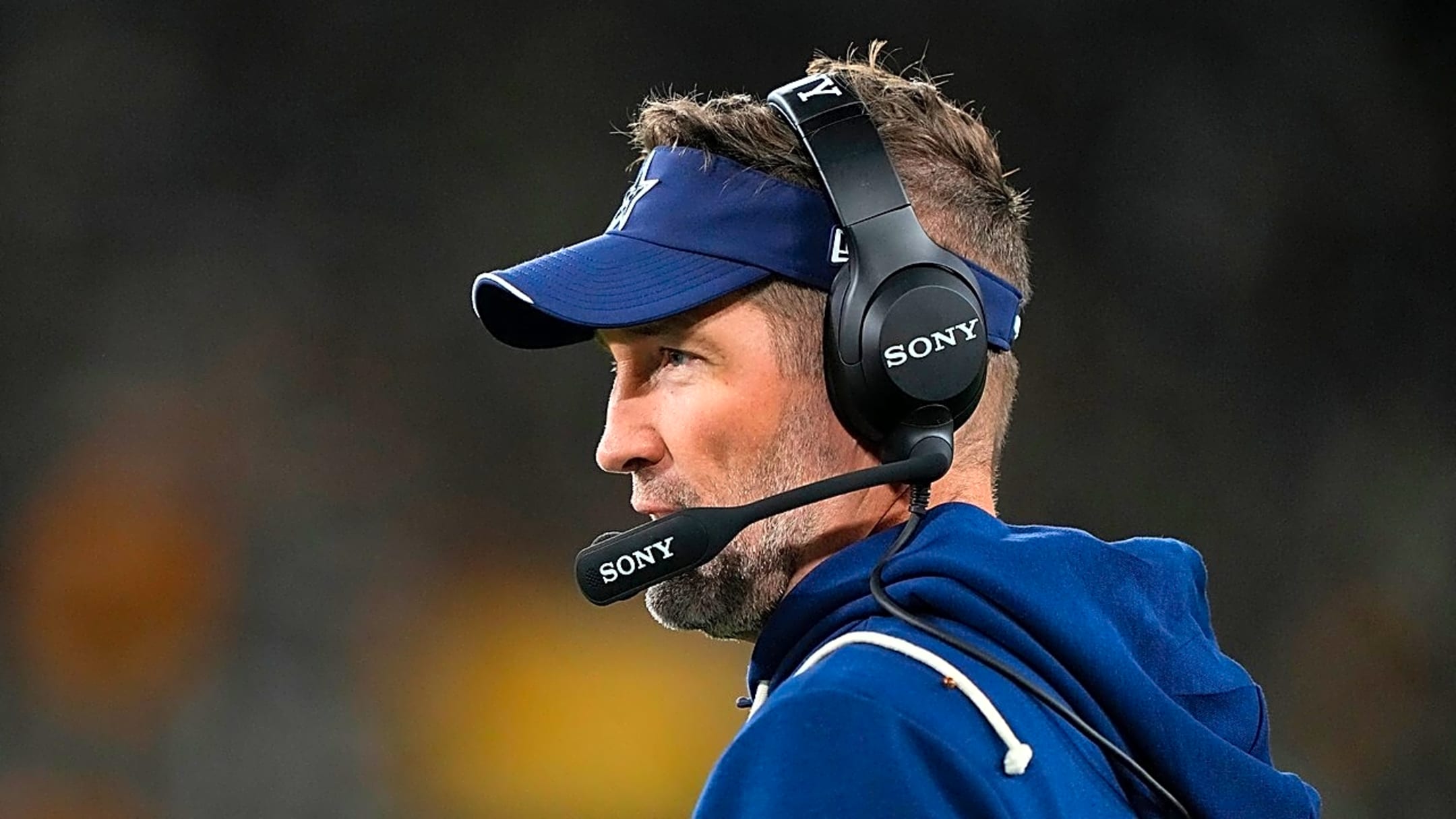
Dallas Cowboys head coach Brian Schottenheimer stood at the podium in Frisco on Wednesday and did something rare for a play caller.
He took the blame.
Schottenheimer admitted that George Pickens’ quiet starts are his fault, not the receiver’s.
"He's such a big part of what we're doing as a football team and as an offense to get him involved," Schottenheimer said.
"It's certainly something that we'd like to get done earlier in games, get him off to a good start."
Then he went further.
"That starts with me as the play caller."
The admission came three days after a 33-30 overtime loss to the Arizona Cardinals.
In that game, Pickens caught two passes for 48 yards on four targets.
One of his best plays of the afternoon never counted.
Schottenheimer pointed to "the long touchdown or the big play, I guess, that got called back because of a holding" as proof of what Pickens can do when Dallas gets him the ball.
Pickens finished with a 78.8 PFF receiving grade, 19th among 79 qualifying receivers.
His average depth of target is 11.9 yards.
His passer rating when targeted is 106.1.
The efficiency is there.
The volume is not.
CeeDee Lamb has 60 catches for 709 yards and six touchdowns on 92 targets.
Pickens has 39 catches for 533 yards and two touchdowns on 62 targets.
That includes a 130-yard day against Tampa Bay in Week 5.
Jerry Jones zeroed in on that gap earlier this week.
It fits a broader pattern of an offense that keeps choosing the answer defenses want.
Schottenheimer also said Pickens has been playing hurt.
"I'm just really proud of him how, you know, he's banged up and he's playing through it, which is great," he said.
The head coach pushed back on the idea of a set number of touches for Pickens.
He said the plays built for Pickens and Lamb fill the back of his call sheet.
With two receivers of that caliber, the ball gets spread around.
But the split is real.
And Schottenheimer put the burden on himself.
"He's the guy that we're focused on knowing we got to get him going more and better, and that starts with me as the play caller," he said.

The question now is whether the words will turn into action.
Dallas faces the Indianapolis Colts on Sunday.
Indianapolis is 2-6.
The Colts are coming off a 42-7 loss at Jacksonville.
They traded away veterans DeForest Buckner and Quenton Nelson this week.
It is a game a 3-5 team cannot afford to drop.
Schottenheimer said the answer to involving Pickens earlier is moving him around the formation.
That is something the staff has discussed since training camp.
But the Cowboys have a motion problem.
Dallas ranks near the bottom of the NFL in motion at the snap.
According to Sumer Sports, the Cowboys ranked 18th in motion and 26th in motion at the snap out of 28 teams that played in Week 8.
Schottenheimer was asked why the offense has become so static.
He cited playing from behind as one reason.
In a no-huddle situation, an offense needs to move quickly and cannot waste time putting players in motion before the snap.
But the numbers tell a different story.
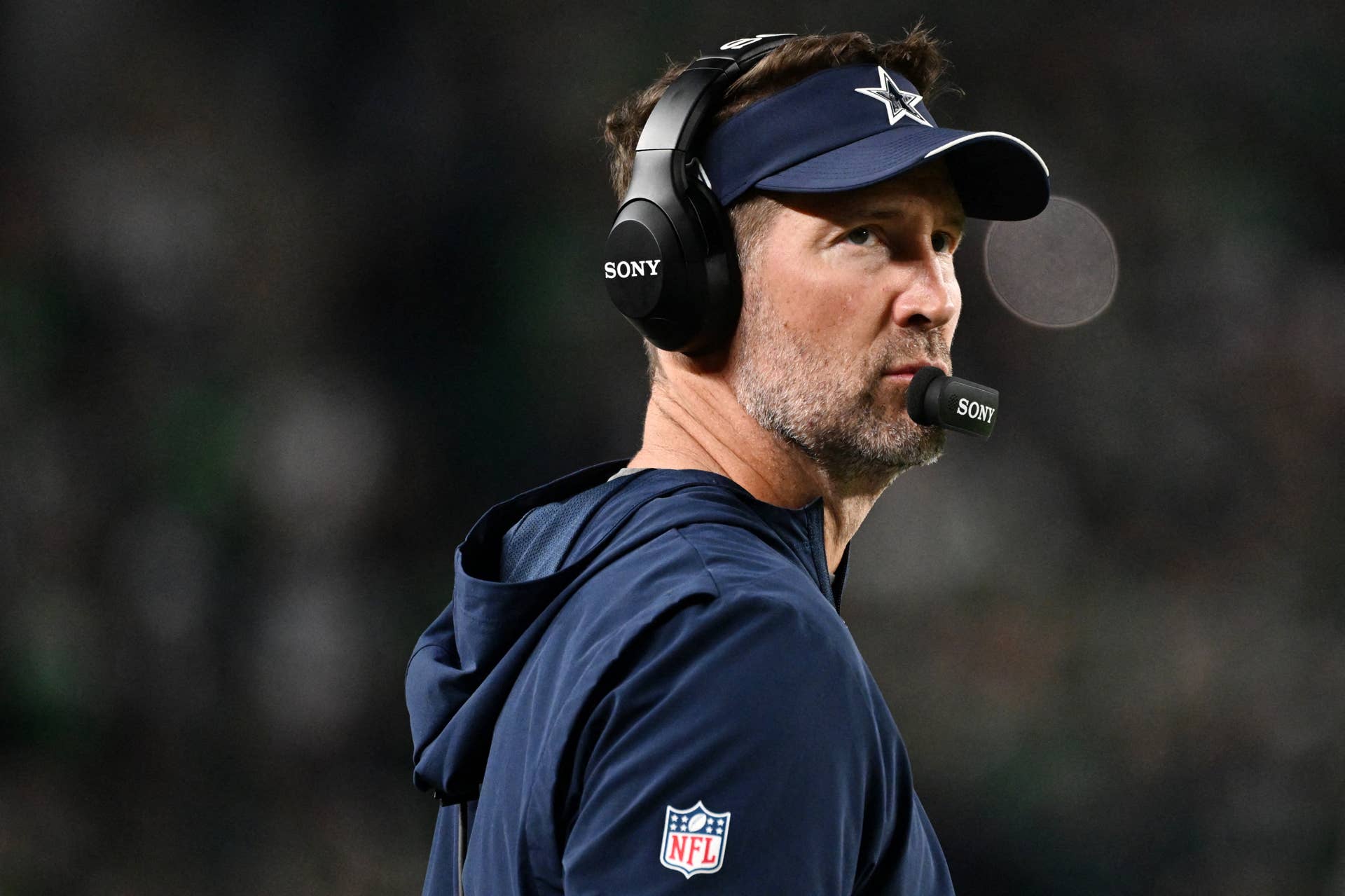
Last season, Dallas sat near league average in motion while fielding one of the best offenses in the NFL.
So why go away from it?
Schottenheimer did not add many layers to his answer.
He said there was a variety of reasons.
He indicated the Cowboys believe in shifts and motions.
But he only really cited one reason for shying away from them: playing from behind.
It is not the first time he has pointed to that.
The Cardinals game showed what can happen when a defense cannot adjust to tempo.
Arizona coach Mike LaFleur replaced Jacoby Brissett with Gardner Minshew II with 1:35 left in the third quarter.
Dallas led 17-3 at that point.
Brissett was 10-of-23 for 119 yards, 0 touchdowns, and 1 interception.
He was sacked four times.
Minshew finished 17-of-23 for 188 yards, 3 touchdowns, and 0 interceptions.
Arizona won 33-30 in overtime.
Schottenheimer said the defense needs simple calls it can get in quickly when opponents go up-tempo.
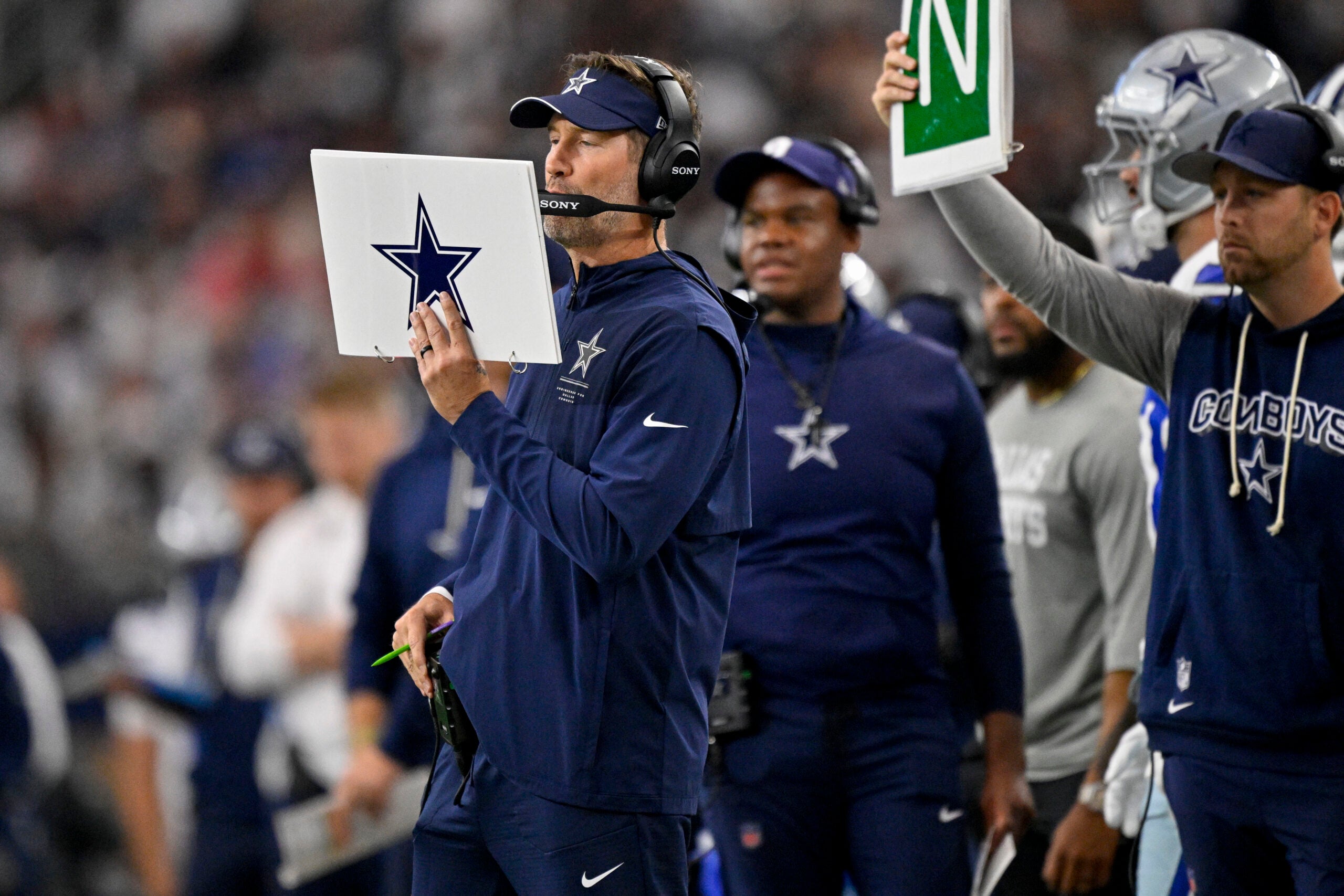
Nickel is the grouping Dallas is most comfortable staying in against tempo.
"A lot of times you just stay in the personnel group and you're in, so we can play nickel to almost anything," Schottenheimer explained.
"Teams are doing a good job of substituting from 12 to 13 to 10 to 11, but we're probably most comfortable in nickel because we can play almost any type of scheme that we have, coverage or front structure in that grouping."
Linebacker Shemar James said the Cardinals opened with the same game plan.
The momentum turned after two big runs.
"I believe it was the same game plan starting off, but after they got those two big runs, you can just feel the momentum, like switch at that point," James said.
"And at that point, the playbook was kind of open then."
"They start taking more shots down the field, guys start catching balls more and they just started executing."
"So when they started executing, we didn't, and that's the turnover you get."
Schottenheimer's conversations with defensive coordinator Christian Parker this week started with what went right early.
"Really good conversations," Schottenheimer said.
"When we look at what we were able to do in terms of early in that game, we felt really good that we neutralized what they did well."
"The rookie runner that they have that I think is a really good player, we neutralized him."
"We got after Jacoby."
"It's being able to do that for four quarters."
"And, again, when we got off our flow was when they brought in Gardner and they kind of went up tempo on us," Schottenheimer continued.
"So having simple plans for that when people want to go tempo on us."
"Some teams have done that to us."
"They want to make us make a call and kind of see what we're doing."
"And so got to have simple calls that get in there quick and let these guys go execute and communicate."
The Cowboys are now 3-5.
They are last in the NFC East.
The Colts game is a must-win.
Schottenheimer said the fix for Pickens starts with his own call sheet.
He said the plays are already there.
Now he has to call them.
And he has to call them earlier.
Because if the same pattern repeats against Indianapolis, the questions will get louder.
The criticism is already mounting.
A Cowboys Hall of Famer recently blasted Schottenheimer.
Mike Tomlin criticized the Cowboys after the Cardinals loss.
Schottenheimer responded.
But actions speak louder than words.
And the only thing that will quiet the noise is a win.
With Pickens involved from the first snap.
Advertisement
You may also like
Sarah Ferguson and Prince Andrew's secret bond exposed
Sarah Ferguson and Ex-Prince Andrew Present 'United' Front Amid Controversy Sarah Ferguson and her ex-husband Andrew Mountbatten-Windsor, the man formerly known as Prince Andrew,…
Danica Patrick Melts Down Over Politician’s ‘RuPaul’s Drag Race’ Knowledge
Danica Patrick crashed out on social media Wednesday over Texas senator-elect James Talarico’s knowledge of RuPaul’s Drag Race. The former IndyCar and NASCAR driver,…
UConn's Hall of Fame roster grows as Taurasi earns her spot
Diana Taurasi is the newest member of the Women's Basketball Hall of Fame. The UConn legend headlines the Class of 2027, announced Thursday. She…
Florida Gators name starting QB for Oklahoma showdown
Florida Gators showcase roster depth in season-opening win over Canes But the bigger story this week is on the other side of the ball.…
Lee eldest son sues lawmaker over 'emperor golf' defamation claims
Lee Dong-ho, the eldest son of South Korean President Lee Jae-myung, has filed a criminal defamation complaint against Rep. Joo Jin-woo of the People…
Ryan Day reveals promising Julian Sayin recovery update
Ohio State head coach Ryan Day says the Buckeyes have received positive news on the injury to starting quarterback Julian Sayin. Day made the…