USC Settles Lawsuit With Chad Baker-Mazara Over Shocking Allegations Against Eric Musselman
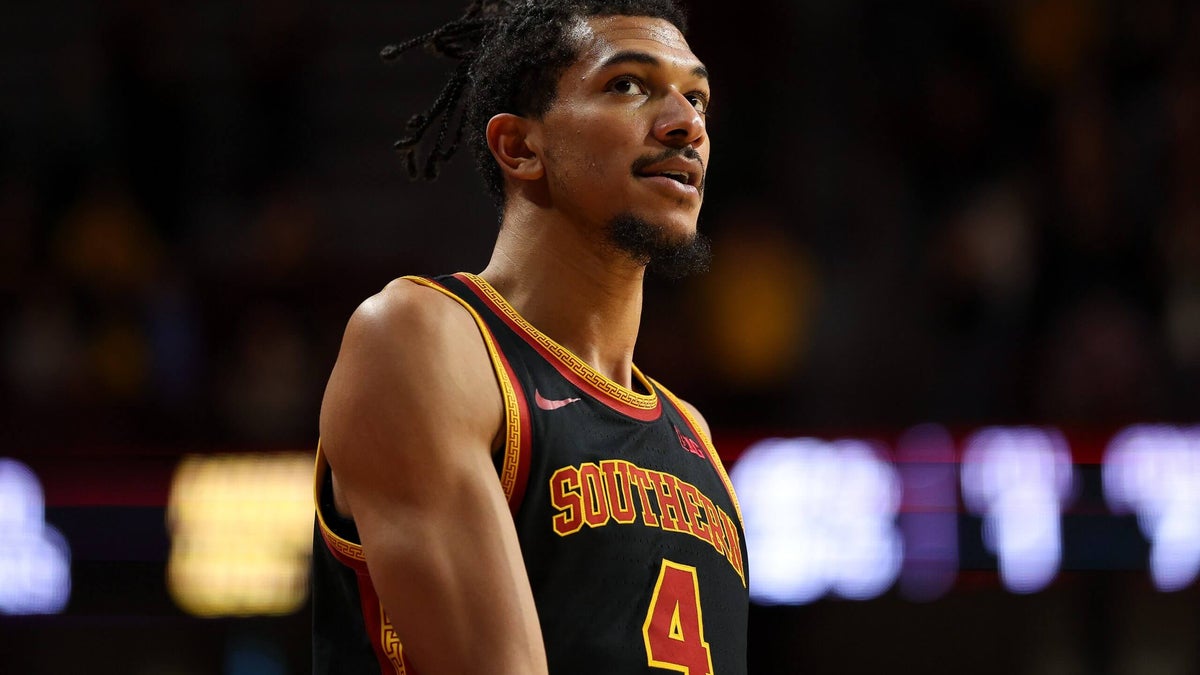
Chad Baker-Mazara and USC have reached a settlement in a lawsuit detailing serious allegations of a racially charged locker room confrontation involving head coach Eric Musselman.
The resolution brings a sudden close to an explosive legal fight between the university and its former player.
The dispute centered around roster dismissal, unpaid name, image, and likeness compensation, and allegations of verbal abuse.
Court filings detailed an intense confrontation that took place late in the regular season.
News of the agreement was first reported on social platform X by Los Angeles Times reporter Ryan Kartje.
The university acknowledged the formal conclusion of the legal proceedings on Friday.
"USC is pleased to resolve this matter and will have no further comment," the university said in an official statement.
With that brief statement, the school sought to turn the page on a deeply contentious chapter for the men's basketball team.
THE LOCKER ROOM CONFRONTATION
The origins of the lawsuit trace directly back to a regular-season loss against Nebraska on Feb. 28.
According to the legal complaint, tensions boiled over inside the locker room immediately following the defeat.
Baker-Mazara alleged that Musselman directed a profanity-laced, racially charged tirade directly at him.
The lawsuit claimed the head coach shouted extreme language at the student-athlete in front of others.
Court documents alleged that Musselman told him to "Go back to the f—ing Dominican Republic! Nobody wants you here!! F— you."
Baker-Mazara is a native of the Dominican Republic.

The legal filing stated that Baker-Mazara understood those specific words to be explicitly racist and discriminatory.
In the court papers, he characterized the comment as akin to telling an African American person to go back to Africa.
The explosive claims placed an intense spotlight on the program and Musselman's conduct behind closed doors.
A SUDDEN DISMISSAL AND FACILITY BAN
The fallout from the confrontation materialized almost immediately for the program.
On the morning after the loss to Nebraska, representatives for Baker-Mazara received word that he had been dismissed from the roster.
The school simultaneously barred the player from accessing the team's athletic facilities.
At the time of the removal, the Trojans were struggling through a difficult stretch of their schedule.
USC held an 18-11 overall record and was in the middle of a five-game losing streak.
The team was rapidly trending toward the wrong side of the NCAA Tournament bubble.
In his lawsuit, Baker-Mazara asserted a specific motive behind the timing of his abrupt dismissal.
The filing alleged that the program dismissed him when it became likely that the Trojans would miss the NCAA Tournament.
Following his removal, USC dropped its final two regular-season games.
The team then suffered a loss in its opening contest at the Big Ten tournament.
Those consecutive defeats sealed the team's postseason fate and left the Trojans outside the national tournament field.

THE MORALS CLAUSE CONTROVERSY
The dispute quickly transitioned from a locker room dispute into a formal legal battle over NIL contracts.
College athletics has changed dramatically with the rise of collective-funded name, image, and likeness agreements.
Student-athletes rely on these independent agreements for substantial portions of their anticipated financial compensation.
On March 13, USC's NIL collective moved to terminate its contracts with Baker-Mazara.
The lawsuit noted that the collective cited a morals clause contained inside the signed agreements to justify the move.
According to the legal filing, the morals clause permitted contract termination under specific behavioral circumstances.
The clause applied if an athlete committed acts deemed immoral, deceptive, scandalous, or obscene.
It also allowed termination for conduct that could adversely affect USC, HOV, the athletic department, or the basketball program.
The provision extended to any related entities connected with the athletic department.
Baker-Mazara's lawsuit contended that he never received an explanation regarding how he purportedly breached the morals clause.
Without a detailed accounting of the alleged breach, the player moved forward with legal action against the university.
FINANCIAL STAKES AND DRAFT STOCK
The lawsuit sought multiple remedies from the university in court.
Baker-Mazara demanded the full financial balance remaining under his original NIL agreements.
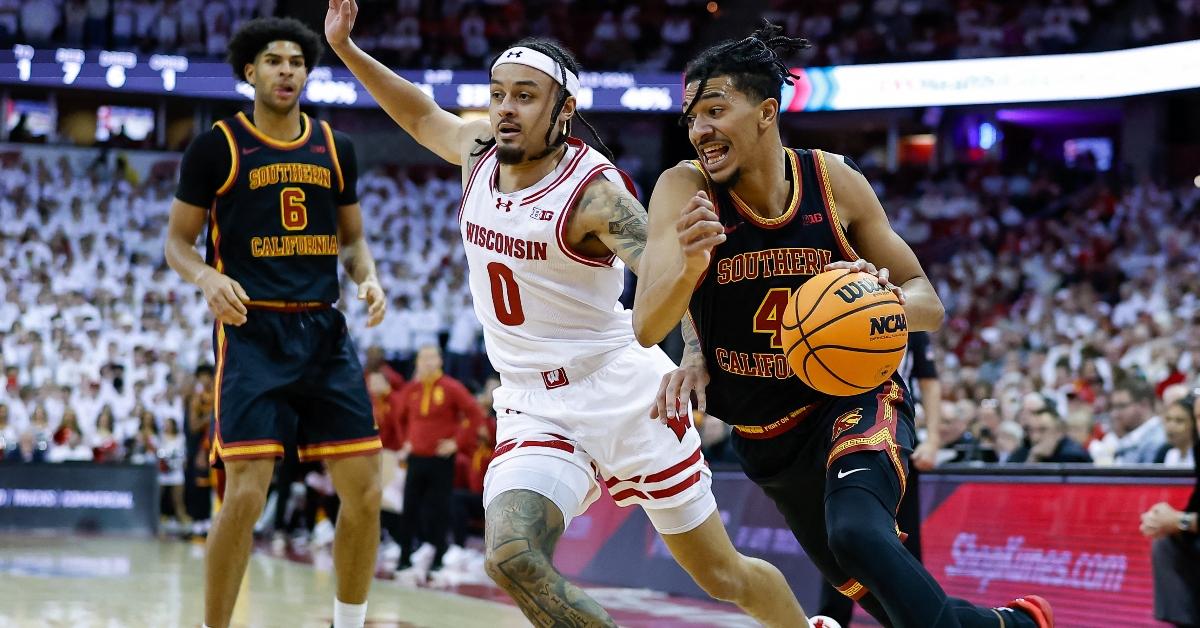
He also sought significant compensatory damages tied to the handling of his removal from the team.
The legal complaint alleged that his dismissal caused severe harm to his professional prospects.
Specifically, the filing claimed the incident and sudden roster removal damaged his standing in the NBA Draft.
For elite college basketball players, draft positioning represents enormous future earning potential.
Any sudden removal from a high-profile program creates intense scrutiny from professional scouts and team front offices.
By settling the case out of court, both sides avoided a protracted discovery process and a public trial.
Terms of the financial settlement between USC and Baker-Mazara were not publicly disclosed.
THE PROGRAM TURNS THE PAGE
The legal resolution arrives as USC begins another competitive campaign on the hardwood.
Musselman is currently navigating his third season as the head coach of the Trojans.
The program recently kicked off its new season with a dominant performance on the court.
USC opened its regular-season slate on Monday with an emphatic 95-63 victory over Milwaukee.
The commanding home victory offered a brief on-court respite from the legal distractions surrounding the roster.
Yet the settling of the case ensures the allegations remain a significant part of recent program history.
NIL contracts and morals clauses continue to face testing across the evolving college sports landscape.
Disputes between student-athletes, coaching staffs, and collective entities are increasingly moving into formal legal channels.
This high-profile settlement demonstrates the high financial and reputational stakes embedded in modern college athletics.
How do you think the allegations and subsequent settlement will impact Eric Musselman's program at USC moving forward?
Advertisement
You may also like
Wood Brothers Breaks Silence After Josh Berry Wrecked Alliance Partner Ryan Blaney At Martinsville
Team Penske shares a direct technical alliance with Wood Brothers Racing, making Josh Berry's race-ending collision with Penske driver Ryan Blaney an especially awkward…

How Saudi Arabia's PIF Strategy Shift After Iran War Triggered LIV Golf's Collapse
Months after the start of the Iran war, Saudi Arabia's Public Investment Fund changed its investment strategy in April and decided it would stop…
RFK Racing Replaces Brad Keselowski With Ryan Preece in the Iconic No. 6 Ford for 2027
RFK Racing announced that 36-year-old Ryan Preece will replace departing co-owner Brad Keselowski behind the wheel of the No. 6 Ford Mustang starting in…

The Chicks Spark Outrage After Postponing Hollywood Show Ninety Minutes Before Curtain Call
The Chicks called off their November 2 concert at Hollywood's Dolby Theatre just ninety minutes before showtime due to illness, leaving arriving fans stranded…

Daniil Medvedev Threatens To Retire In Paris After Seven Consecutive Weeks On Tour
During his heated changeover at the Paris Masters, Daniil Medvedev claimed he had torn his adductor and questioned whether he should retire from the…
Melissa Rycroft's Texas Legal Timeline: Back-to-Back DWI Arrests Just Over a Year Apart
Melissa Rycroft's recent arrest marks her second DWI charge in Texas, coming just months after she pleaded guilty to an initial September 2025 incident…